Gum Restoration
Soft Tissue Grafts in Orange, CA
Restore receding gums and protect your smile.
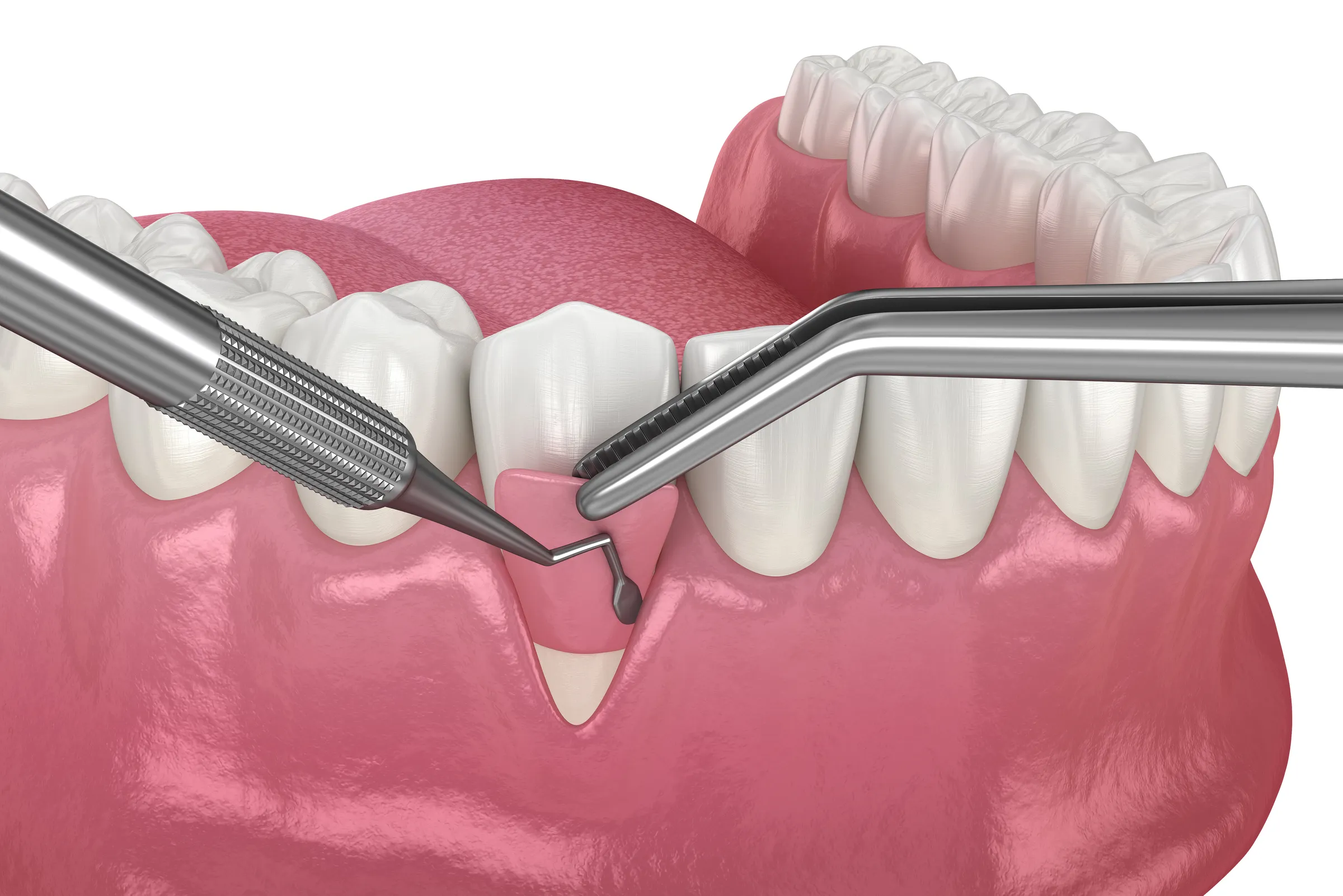
Soft tissue grafting is a procedure used to treat gum recession by adding healthy tissue to areas where gums have pulled back. This helps protect exposed tooth roots and improves the appearance of your smile. At Smart Smile Dental, grafting procedures are carefully performed to support both health and aesthetics.
COMPREHENSIVE AND GENTLE DENTISTRY UNDER ONE ROOF
Soft Tissue Grafts at Smart Smile Dental in Orange, CA
Soft tissue grafts are used to rebuild and strengthen gum tissue that has receded due to gum disease, brushing habits, or other factors. By covering exposed roots, this treatment helps protect teeth, reduce sensitivity, and improve the overall balance of your smile.
Why Soft Tissue Grafting Is Needed
Gum recession can expose the roots of your teeth, increasing the risk of damage and discomfort.
- Gum Recession Covers exposed tooth roots and restores gumline.
- Tooth Sensitivity Reduces discomfort caused by exposed roots.
- Gum Disease Damage Rebuilds tissue lost to periodontal disease.
- Cosmetic Improvement Enhances the appearance of uneven gums.
How Soft Tissue Grafting Works
The procedure involves placing graft material to rebuild and protect the affected area.
- Evaluation of gum recession and affected areas
- Collection or preparation of graft material
- Placement of tissue over exposed roots
- Securing the graft to promote healing and integration
Benefits of Soft Tissue Grafts
This treatment offers both functional and cosmetic benefits for your smile.
- Protects Tooth Roots Reduces risk of decay and damage.
- Reduces Sensitivity Covers exposed areas for greater comfort.
- Improves Gum Health Strengthens and stabilizes gum tissue.
- Enhances Appearance Creates a more even, natural-looking gumline.
Is a Soft Tissue Graft Right for You?
If you have receding gums, tooth sensitivity, or uneven gumlines, soft tissue grafting may be recommended. A consultation will determine the best approach based on your condition and goals.
Restore your gum health and protect your smile—schedule a consultation to learn more about soft tissue grafting.
Soft Tissue Grafts FAQ
- What is a soft tissue graft?
- A soft tissue graft is a periodontal procedure used to restore gum tissue that has receded and exposed part of the tooth root. During treatment, graft material is placed over the affected area to increase soft-tissue coverage, protect the exposed root surface, and improve the contour of the gingival margin. Depending on the treatment plan, the graft may use the patient’s own tissue or an appropriate donor material. Soft tissue grafting can help address gingival recession, root sensitivity, compromised gum coverage, and uneven gum contours.
- Why do gums recede?
- Gum recession, clinically known as gingival recession, occurs when the gingival margin moves away from its normal position and exposes more of the tooth root. Contributing factors can include periodontal disease, aggressive or traumatic tooth brushing, inadequate gum tissue, genetics, tooth position, and other local factors. Exposed root surfaces lack the protective enamel that covers the crown of a tooth, which can increase the risk of dentin hypersensitivity, root-surface caries, abrasion, and further soft-tissue damage. A periodontal examination can evaluate the extent and location of recession and determine whether grafting is appropriate.
- Is the procedure painful?
- Soft tissue grafting is performed using local anesthesia to numb the treatment area, so patients should not experience sharp pain during the procedure. Depending on the extent of gingival recession and the number of sites being treated, the procedure may involve preparing the recipient site, positioning the graft material over the exposed root surface, and securing the tissue with periodontal sutures. Mild soreness, tenderness, swelling, or sensitivity can occur during the initial postoperative period and generally improves as the grafted tissue heals.
- How long does it take to heal?
- Initial soft-tissue healing generally takes several weeks, although the exact recovery period depends on the number of treated sites, the extent of recession, the type of graft material used, and individual healing factors. The graft must establish a stable connection with the surrounding gingival tissue during the early healing phase. Gum appearance and tissue maturation can continue to improve for several weeks to months. Following postoperative instructions and attending scheduled periodontal follow-up appointments are important for monitoring graft integration and tissue stability.
- Can grafting reduce tooth sensitivity?
- Yes. Soft tissue grafting can reduce dentin hypersensitivity when sensitivity is associated with exposed tooth-root surfaces caused by gingival recession. Covering the exposed root with healthy soft tissue provides additional protection over the root surface and can reduce exposure to temperature changes, acidic foods, brushing, and other external stimuli. The degree of sensitivity relief varies according to the cause and severity of the recession and the individual response to treatment.
- Are the results permanent?
- Soft tissue grafting is designed to provide long-term coverage and stabilization of areas affected by gingival recession, but the longevity of the result depends on maintaining healthy periodontal tissues and controlling factors that contributed to the original recession. Consistent oral hygiene, gentle tooth-brushing technique, routine professional dental care, and management of periodontal disease can help protect the grafted tissue. Continued trauma, untreated gum disease, or other contributing factors may increase the risk of additional recession over time.
- Where does the graft tissue come from?
- Graft tissue may come from the patient’s own oral tissue, known as an autogenous graft, or from a processed donor material selected according to the clinical treatment plan. The appropriate graft material depends on factors such as the location and severity of gingival recession, the amount of existing keratinized tissue, the condition of the recipient site, and the desired root coverage. During the consultation, the dentist can explain which grafting approach is appropriate for the affected gum tissue.
- Will my smile look better?
- Soft tissue grafting can improve the appearance of a receding or uneven gumline by increasing soft-tissue coverage over exposed root surfaces and creating a more balanced gingival margin. In addition to its functional benefits, periodontal plastic surgery can improve the symmetry and contour of the gums around individual teeth. The cosmetic outcome depends on the severity and location of the recession, existing gum anatomy, tissue thickness, and how the graft heals and integrates with the surrounding gingiva.
- How do I care for my gums after the procedure?
- Postoperative care is important for protecting the graft during the initial healing period. Patients should follow their dentist’s specific instructions regarding oral hygiene, brushing, eating, physical activity, and any prescribed medications or rinses. The treated area should be handled gently to avoid mechanical trauma to the graft or periodontal sutures. Depending on the procedure, the dental team may recommend temporarily modifying brushing around the surgical site and attending follow-up visits to evaluate graft stability, gingival healing, tissue integration, and periodontal health.
- How do I get started?
- Getting started begins with a comprehensive periodontal evaluation of the areas affected by gingival recession. The dentist will assess the gingival margin, exposed root surfaces, periodontal tissues, tooth position, tissue thickness, and overall gum health to determine whether soft tissue grafting is appropriate. Your treatment plan can then address the number and location of recession sites, the graft material or technique being considered, expected healing time, and postoperative care. Smart Smile Dental recommends a consultation to determine whether soft tissue grafting is appropriate for your individual needs.
DR. LORI BAGAI, DDS
Learn More