Permanent Tooth Replacement
Dental Implants in Orange, CA
Restore your smile with strong, natural-looking implant solutions.
Dental implants are a long-lasting solution for replacing missing teeth. By anchoring directly into the jawbone, implants provide stability, function, and a natural appearance. At Smart Smile Dental, implant treatments are carefully planned to restore your smile with comfort and precision.
COMPREHENSIVE AND GENTLE DENTISTRY UNDER ONE ROOF
Dental Implants at Smart Smile Dental in Orange, CA
Dental implants are designed to replace missing teeth by acting as artificial tooth roots that support custom restorations. They help restore your ability to eat, speak, and smile confidently while maintaining jawbone health and facial structure.
What Dental Implants Can Treat
Implants are a versatile solution for replacing one or more missing teeth.
- Single Missing Tooth Replace one tooth without affecting neighboring teeth.
- Multiple Missing Teeth Support bridges for larger gaps.
- Full Arch Tooth Loss Restore an entire smile with implant-supported solutions.
- Loose Dentures Improve stability and comfort with implant support.
Implant Retained Crowns
Implant retained crowns are used to replace a single missing tooth. A custom crown is attached to a dental implant, creating a natural-looking and fully functional replacement that blends seamlessly with your smile.
Implant Supported Bridge
An implant supported bridge replaces multiple missing teeth using dental implants for support instead of relying on adjacent natural teeth. This approach provides greater stability and helps preserve surrounding tooth structure.
Implant Supported Dentures
Implant supported dentures offer a secure alternative to traditional removable dentures. By anchoring the denture to implants, this solution improves comfort, reduces movement, and enhances your ability to eat and speak.
Benefits of Dental Implants
Dental implants provide long-term advantages for both oral health and quality of life.
- Natural Look and Feel Designed to match your smile and function like real teeth.
- Long-Lasting Solution Durable and built for long-term use.
- Improved Stability Securely anchored in the jawbone.
- Supports Jawbone Health Helps prevent bone loss after tooth loss.
The Dental Implant Process
Your treatment is carefully planned to ensure the best possible outcome.
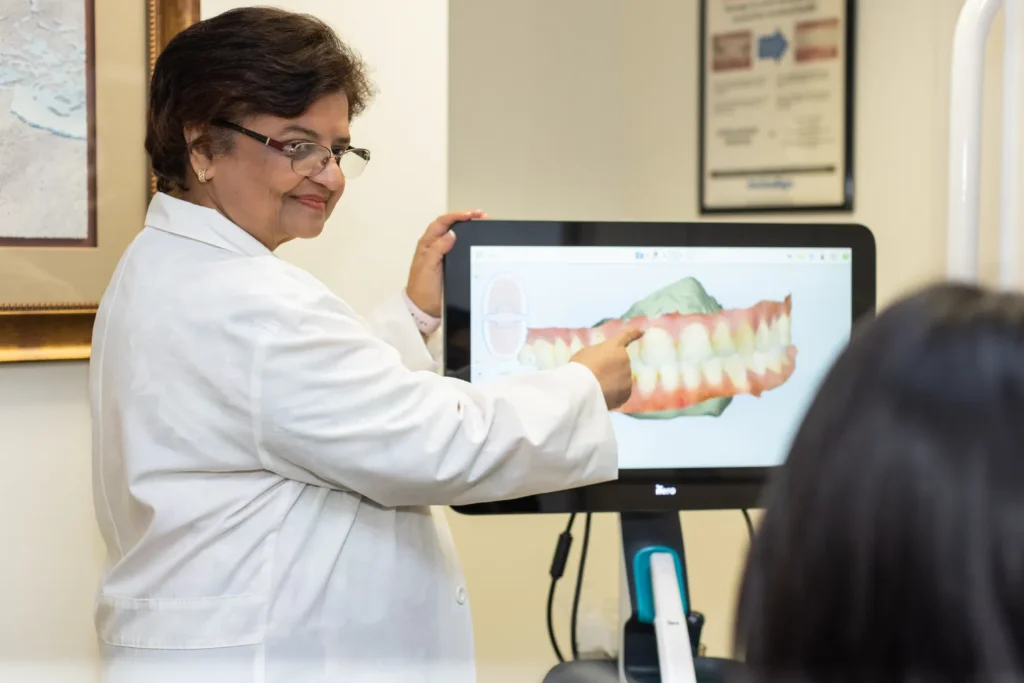
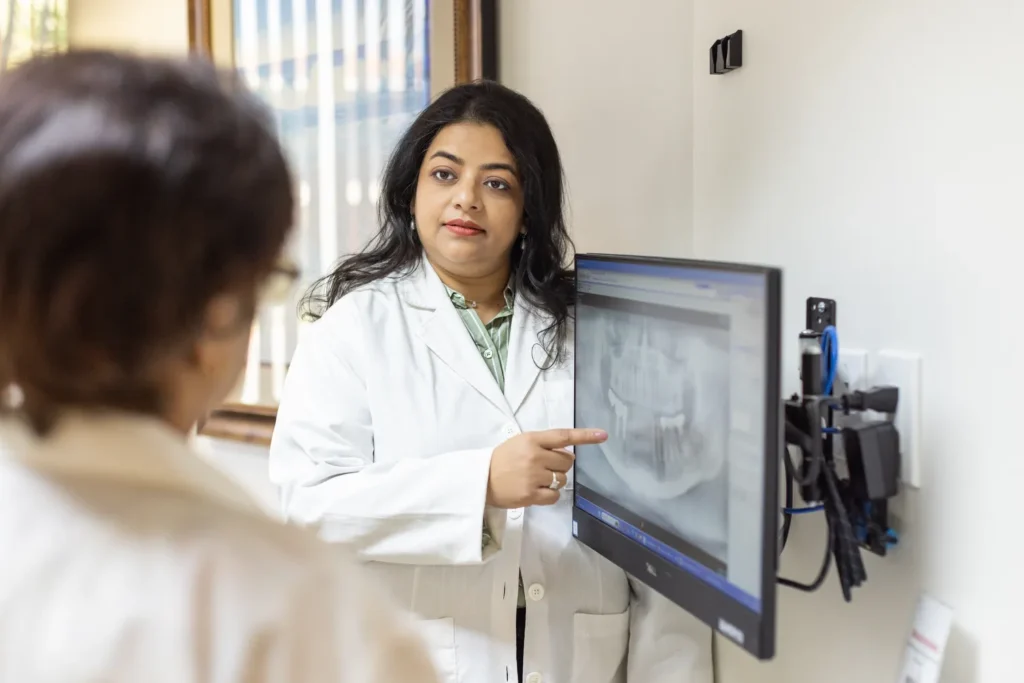
- Comprehensive consultation and imaging
- Placement of the dental implant
- Healing period for integration with the jawbone
- Placement of the custom restoration
Are Dental Implants Right for You?
If you are missing one or more teeth and want a stable, long-term solution, dental implants may be an excellent option. A consultation will determine your candidacy based on your oral health and bone structure.
Restore your smile with confidence—schedule a consultation to explore your dental implant options.
Dental Implants FAQ
- What are dental implants?
- Dental implants are biocompatible artificial tooth roots surgically placed into the jawbone to replace the root structure of a missing tooth. After the implant integrates with the surrounding alveolar bone through osseointegration, it can support a custom dental restoration such as an implant-retained crown, implant-supported bridge, or implant-supported denture. Dental implants can replace a single missing tooth, multiple missing teeth, or support full-arch tooth replacement while helping maintain jawbone structure.
- How long do dental implants last?
- With appropriate oral hygiene, professional dental care, and healthy supporting tissues, dental implants are designed as a long-term tooth replacement solution and can remain functional for many years, often decades or longer. The titanium or other biocompatible implant fixture is intended to integrate with the jawbone, while the visible restoration may eventually require maintenance, repair, or replacement because of normal wear. Implant longevity depends on factors including periodontal health, bone stability, bite forces, oral hygiene, smoking or tobacco exposure, and regular dental examinations.
- Is the implant procedure painful?
- Dental implant placement is performed with anesthesia to numb the surgical area and maintain patient comfort during treatment. The procedure involves preparing the implant site and placing the implant fixture into the jawbone with controlled surgical technique. After the anesthetic wears off, temporary soreness, swelling, bruising, or tenderness may occur during the early healing period. The level of postoperative discomfort varies according to the number of implants placed, surgical complexity, need for bone grafting, and individual healing response.
- How long does the process take?
- The complete dental implant process can take several months because the implant requires a healing period to integrate with the surrounding jawbone before the definitive restoration is attached. Treatment generally involves a comprehensive consultation and diagnostic imaging, implant placement, a healing and osseointegration period, and placement of the custom crown, bridge, or denture. The total timeline varies according to the number of missing teeth, bone quality and volume, periodontal health, need for bone grafting, implant location, and individual healing response.
- Can implants replace multiple teeth?
- Yes. Dental implants can replace multiple missing teeth by supporting an implant-retained bridge or other multi-unit restoration. Unlike a conventional tooth-supported bridge, an implant-supported bridge uses dental implants as the supporting foundation rather than requiring preparation of adjacent natural teeth. For patients with extensive or complete tooth loss, multiple implants can also support a full-arch restoration or implant-supported denture. The number and positioning of implants depend on available alveolar bone, bite forces, restorative requirements, and the patient’s overall oral health.
- Do implants look natural?
- Yes. Dental implant restorations are custom-designed to closely match the appearance of the surrounding natural teeth. An implant-retained crown can be individually customized for tooth color, shape, size, and position, while implant-supported bridges and full-arch restorations are designed to provide balanced tooth proportions and natural-looking gum and tooth relationships. The final appearance depends on the implant position, available gingival and bone tissue, restoration design, occlusion, and the quality of the prosthetic fabrication.
- What is the success rate of dental implants?
- Dental implants have a high success rate when they are appropriately planned and placed in healthy conditions and are properly maintained over time. Successful treatment depends on adequate bone volume and quality, stable osseointegration, healthy periodontal tissues, appropriate implant positioning, good oral hygiene, and regular professional maintenance. Risk factors such as uncontrolled periodontal disease, smoking, poor oral hygiene, insufficient bone, and certain medical conditions can affect implant healing and long-term stability. A comprehensive evaluation helps determine individual candidacy and prognosis.
- Do I need bone grafting?
- Not every dental implant patient requires bone grafting. A bone graft may be recommended when there is insufficient alveolar bone volume or density to provide adequate support for an implant. Jawbone loss can occur following tooth loss, periodontal disease, trauma, or tooth extraction. During the implant consultation, dental imaging and clinical examination are used to evaluate the available bone and determine whether grafting is necessary. When adequate bone is present, implant placement may proceed without a separate bone-grafting procedure.
- How do I care for dental implants?
- Dental implants require consistent oral hygiene and professional maintenance, similar to natural teeth. Brush twice daily with a soft-bristled toothbrush and clean between teeth and around the implant restoration using dental floss, interdental brushes, or other cleaning aids recommended by your dentist. Maintaining healthy gingival and periodontal tissues around the implant is important because bacterial plaque can contribute to peri-implant inflammation and bone loss. Regular dental examinations and professional cleanings allow the dentist to monitor implant stability, surrounding bone, gum health, bite, and the condition of the restoration.
- How do I get started?
- Getting started begins with a comprehensive dental implant consultation and evaluation of your oral health, missing teeth, bite, periodontal tissues, and available jawbone. Diagnostic imaging may be used to assess bone structure and determine the appropriate implant position and restorative approach. Your dentist will consider whether you need a single implant crown, implant-supported bridge, implant-supported denture, or full-arch restoration and whether additional treatment such as periodontal therapy or bone grafting is necessary. Smart Smile Dental recommends scheduling a consultation to determine whether dental implants are an appropriate long-term solution for your smile.
DR. LORI BAGAI, DDS
Learn More