Jaw Development Solutions
Orthodontic Expanders in Orange, CA
Create space for growing smiles with gentle, guided jaw expansion.
Orthodontic expanders are used to widen the upper jaw and create space for proper tooth alignment. Often recommended for children, this early orthodontic treatment helps guide healthy development and prevent crowding. At Smart Smile Dental, expanders are carefully customized for comfort and effective results.
COMPREHENSIVE AND GENTLE DENTISTRY UNDER ONE ROOF
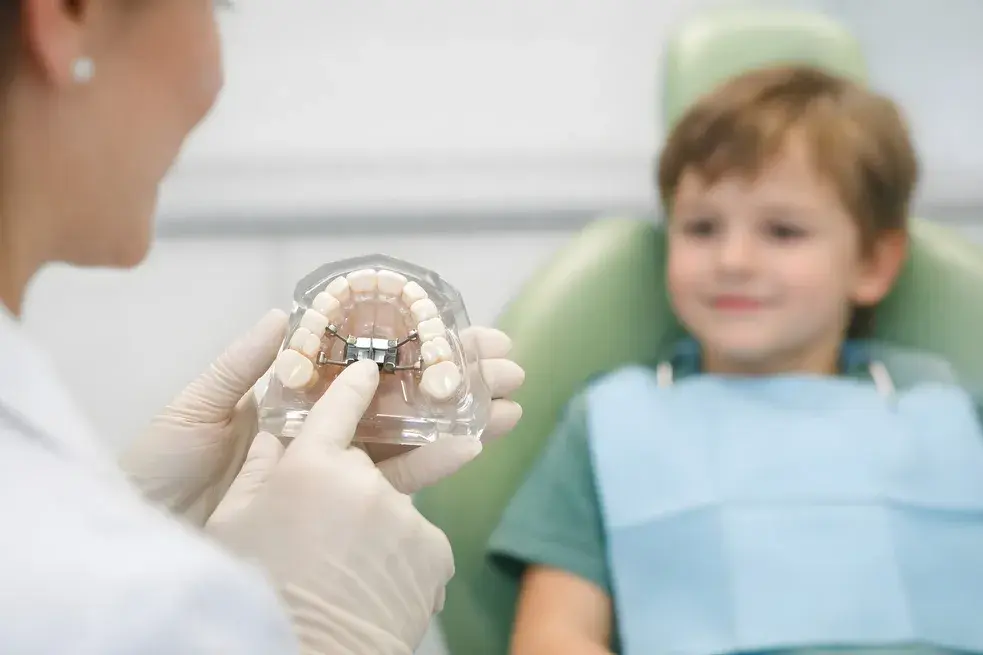
Orthodontic Expanders at Smart Smile Dental in Orange, CA
Orthodontic expanders are devices designed to gradually widen the upper jaw, creating more space for teeth to grow in properly. This treatment is most effective in children while the jaw is still developing, helping improve alignment and overall oral health.
Why Expanders Are Used
Expanders play an important role in early orthodontic care by addressing structural concerns before they become more complex.
- Crowded Teeth Create additional space for proper alignment.
- Narrow Upper Jaw Widen the arch to improve bite function.
- Crossbite Correction Help align the upper and lower jaws properly.
- Breathing Improvement May support better airflow in some cases.
How Orthodontic Expanders Work
The expander is a small device placed in the upper arch that gradually widens the jaw over time.
- Custom-fitted appliance is placed on the upper teeth
- A small screw is adjusted regularly to expand the jaw
- Gradual pressure encourages bone growth and expansion
- Space is created for permanent teeth to align properly
Benefits of Orthodontic Expanders
Early use of expanders can lead to better long-term outcomes and reduce the need for more complex treatments later.
- Early Intervention Addresses issues before they worsen.
- Improved Alignment Creates room for teeth to erupt properly.
- Better Bite Function Supports balanced jaw alignment.
- Reduced Need for Extractions Helps avoid removing teeth later.
Is an Orthodontic Expander Right for Your Child?
Expanders are typically recommended for children whose jaws are still developing. If your child has crowding, a narrow arch, or bite issues, early evaluation can determine whether this treatment is beneficial.
Support your child’s healthy smile development by scheduling a consultation to explore orthodontic expander treatment.
Orthodontic Expanders FAQ
- What is an orthodontic expander?
- An orthodontic expander is a custom-fitted appliance used to gradually widen the upper jaw and increase the transverse width of the maxillary arch. By applying controlled expansion forces through an adjustment screw, the appliance helps create additional space for erupting permanent teeth and can improve the relationship between the upper and lower dental arches. Orthodontic expansion is commonly used during childhood while the maxilla and surrounding jaw structures are still developing.
- At what age are expanders used?
- Orthodontic expanders are most effective in children and early teenagers while the upper jaw is still developing. During this stage, the midpalatal region and surrounding maxillary structures are more responsive to orthopedic expansion forces. Early evaluation can help identify a narrow maxillary arch, dental crowding, crossbite, or inadequate space for permanent tooth eruption before these issues become more difficult to manage. The appropriate timing depends on the child’s skeletal development, dental eruption pattern, bite, and individual orthodontic needs.
- Does using an expander hurt?
- Orthodontic expansion generally produces pressure or a feeling of tightness rather than significant pain. The expander is adjusted gradually so controlled orthodontic forces can encourage widening of the upper arch over time. Mild pressure, temporary tooth sensitivity, or tenderness around the teeth supporting the appliance may occur after an adjustment. These sensations typically decrease as the child adapts to the appliance. Any persistent or significant discomfort should be reported to the dental team so the appliance and adjustment schedule can be evaluated.
- How long does treatment take?
- Active orthodontic expansion usually takes a few weeks, although the exact duration depends on the degree of maxillary constriction, the child’s age and skeletal development, the amount of expansion required, and the response to treatment. During the active phase, a small expansion screw is adjusted according to the prescribed treatment schedule to gradually widen the upper arch. After the desired expansion is achieved, a retention period is necessary to allow the developing bone and surrounding oral structures to stabilize the new arch width and reduce the risk of relapse.
- Will my child need braces after an expander?
- Many children may still require braces or clear aligners after orthodontic expansion, depending on the amount of tooth alignment needed after the upper arch has been widened. An expander primarily addresses transverse maxillary development, arch width, space deficiencies, and certain bite discrepancies rather than correcting every type of tooth-position problem. By creating additional arch space and improving the relationship between the upper and lower jaws, expansion can make subsequent orthodontic alignment more predictable and may reduce the need for more complex treatment.
- Can expanders fix crowding?
- Yes. An orthodontic expander can help address crowding when inadequate transverse width of the upper jaw contributes to insufficient space for permanent teeth. Gradual expansion increases the width of the maxillary arch and creates additional room for teeth to erupt and align. The amount of space gained depends on the child’s skeletal development, existing arch width, dental anatomy, and severity of crowding. A comprehensive orthodontic evaluation is necessary to determine whether expansion alone is sufficient or whether additional orthodontic treatment will be needed.
- How do you clean an expander?
- Good oral hygiene is important while wearing an orthodontic expander because the appliance can create additional areas where plaque, food debris, and bacterial biofilm may accumulate. Brush carefully around the appliance, the supporting teeth, and the gumline using a soft-bristled toothbrush and fluoride toothpaste. Rinsing with water after meals can help remove loose food particles from around the appliance. The dental team may also recommend additional interdental cleaning methods based on the appliance design and the child’s individual oral-hygiene needs.
- Will it affect speech?
- A newly placed orthodontic expander can temporarily affect speech because the appliance occupies space along the upper palate and requires the tongue to adapt to a new oral structure. Children may initially notice changes in pronunciation or articulation, particularly with sounds that require close tongue-to-palate contact. Most patients adapt as the tongue, lips, and oral muscles become accustomed to the appliance. Speech generally improves relatively quickly with normal speaking and continued use of the expander.
- Are expanders removable?
- Some orthodontic expanders are fixed to the upper teeth, while other designs may be removable depending on the treatment plan and the amount and type of expansion required. A fixed expander remains secured to the upper dental arch while the expansion screw is adjusted according to the prescribed schedule. Removable appliances can be taken out for cleaning and other specific situations when instructed. The dentist or orthodontic provider selects the appliance design based on the child’s age, maxillary development, bite, cooperation, and orthodontic objectives.
- How do I get started?
- Getting started begins with an orthodontic evaluation to assess your child’s upper-jaw development, dental arch width, tooth eruption, crowding, and bite relationship. The dentist evaluates whether a narrow maxillary arch, crossbite, or limited space for permanent teeth may benefit from expansion. If treatment is recommended, a custom-fitted expander is placed on the upper teeth and the expansion screw is adjusted according to an individualized schedule. Active expansion generally takes a few weeks, followed by a retention period to stabilize the result. Smart Smile Dental recommends scheduling an early consultation when concerns about crowding, a narrow upper arch, or bite development are present.
DR. LORI BAGAI, DDS
Learn More