Improved Oral Function
Frenectomy in Orange, CA
Relieve tongue-tie or lip-tie for better comfort and mobility.
A frenectomy is a simple procedure that releases tight tissue under the tongue or upper lip, often referred to as tongue-tie or lip-tie. This treatment can improve speech, feeding, and overall oral function. At Smart Smile Dental, frenectomies are performed with precision and care for patients of all ages.
COMPREHENSIVE AND GENTLE DENTISTRY UNDER ONE ROOF
Frenectomy at Smart Smile Dental in Orange, CA
A frenectomy is a minor surgical procedure that removes or loosens the frenum—the small band of tissue connecting the tongue to the floor of the mouth or the lip to the gums. When this tissue is too tight, it can restrict movement and affect daily functions.
What a Frenectomy Treats
This procedure is commonly recommended for patients experiencing restricted oral movement.
- Tongue-Tie (Ankyloglossia) Limits tongue movement and may affect speech or feeding.
- Lip-Tie Restricts upper lip movement and may impact oral development.
- Speech Difficulties Improves articulation and clarity.
- Feeding Challenges Helps infants and children feed more effectively.
How a Frenectomy Works
The procedure is quick, minimally invasive, and designed for patient comfort.
- Evaluation of tongue or lip movement
- Application of local anesthesia if needed
- Precise release of the tight frenum
- Minimal recovery time with simple aftercare
Benefits of Frenectomy
Releasing restricted tissue can significantly improve quality of life and oral function.
- Improved Mobility Allows better tongue or lip movement.
- Better Feeding Supports proper latching in infants.
- Enhanced Speech Helps with clearer pronunciation.
- Comfort and Function Reduces strain and improves oral coordination.
Is a Frenectomy Right for You?
If you or your child have difficulty with speech, feeding, or limited tongue or lip movement, a frenectomy may be recommended. Early evaluation can help address these concerns and support proper development.
Improve comfort and function—schedule a consultation to see if a frenectomy is right for you or your child.
Frenectomy FAQ
- What is a frenectomy?
- A frenectomy is a minor oral surgical procedure that releases or removes a restrictive frenum, the thin band of connective tissue that attaches the tongue to the floor of the mouth or the upper lip to the gingival tissue. A lingual frenectomy addresses a tight lingual frenum beneath the tongue, while a labial frenectomy addresses a restrictive frenum connecting the lip to the gums. By releasing restricted tissue, the procedure can improve tongue or lip mobility and support better oral function.
- What is tongue-tie?
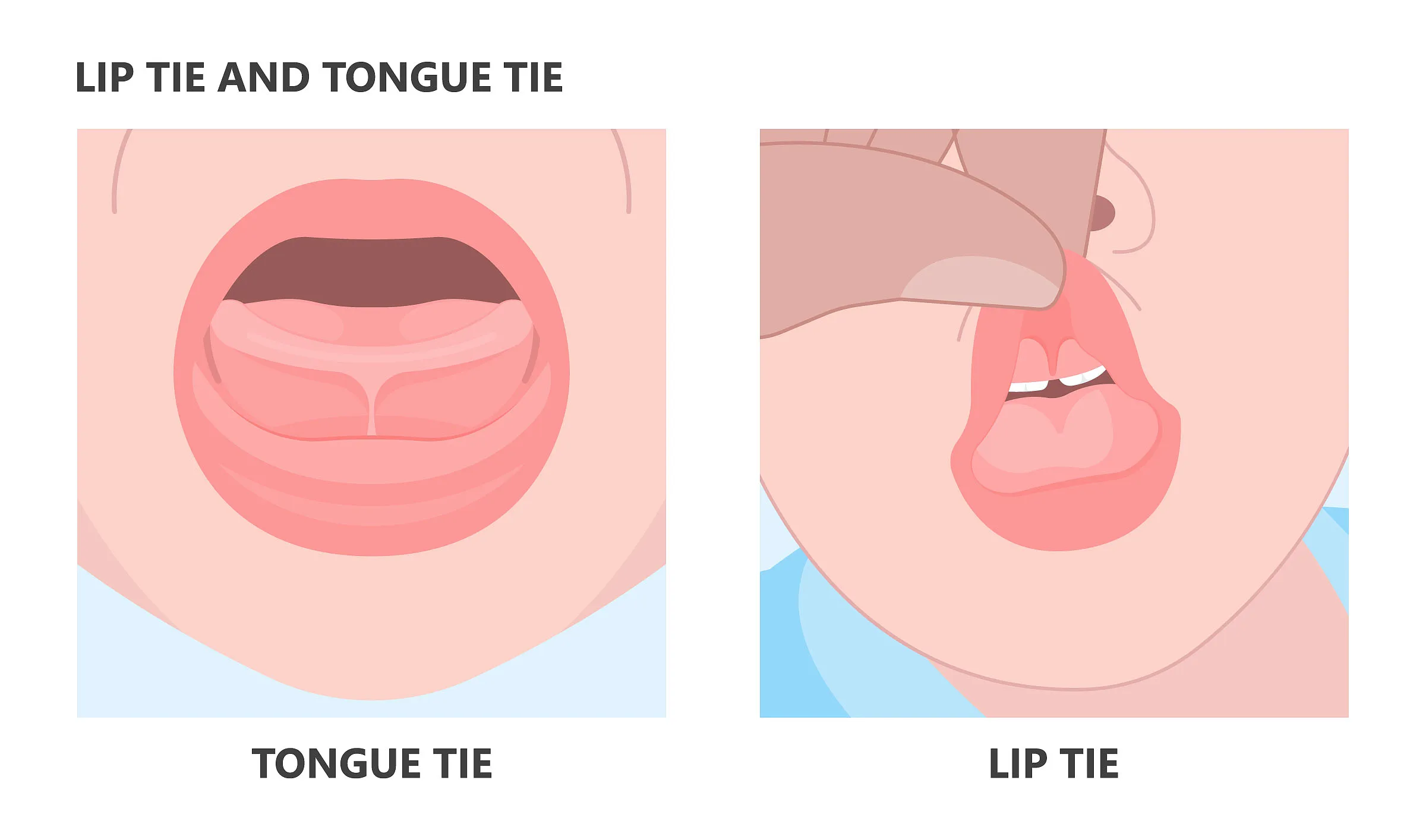
- Tongue-tie, clinically known as ankyloglossia, occurs when the lingual frenum beneath the tongue is unusually short, thick, tight, or restrictive and limits the tongue’s normal range of motion. Restricted tongue mobility can interfere with functions such as feeding, breastfeeding, swallowing, oral coordination, and in some cases speech articulation. A dental evaluation can assess tongue movement, frenum attachment, tissue restriction, and functional symptoms to determine whether a lingual frenectomy may be appropriate.
- What is lip-tie?
- Lip-tie refers to a restrictive labial frenum that limits movement of the upper lip where it attaches to the gingival tissue. In infants and children, a pronounced or restrictive upper lip frenum may interfere with effective lip movement and feeding mechanics. In some cases, it may also contribute to tension around the upper front teeth and affect oral development. Evaluation of the labial frenum, lip mobility, gingival attachment, and functional symptoms helps determine whether a labial frenectomy is indicated.
- Is a frenectomy painful?
- A frenectomy is generally a quick, minimally invasive procedure performed with local anesthesia when needed to numb the treatment area and improve patient comfort. The dentist evaluates the frenum and then precisely releases the restrictive tissue beneath the tongue or along the upper lip. Mild soreness, tenderness, or sensitivity may occur after the anesthetic wears off, but postoperative discomfort is typically temporary and improves as the oral tissues heal.
- How long does the procedure take?
- A frenectomy is typically completed in just a few minutes, although the exact treatment time depends on the location and extent of the restrictive frenum, the patient’s age, cooperation, and whether additional evaluation or treatment is required. The procedure involves assessing tongue or lip mobility, administering local anesthesia when appropriate, and precisely releasing the restrictive frenulum. Your dentist can provide a more specific timeframe during the consultation.
- What is the recovery like?
- Recovery after a frenectomy is generally quick, with mild soreness or tenderness that commonly improves within a few days. During the initial healing period, patients should follow the dentist’s instructions regarding oral hygiene, eating, physical activity, and care of the treated area. Infants and children may receive specific guidance regarding feeding, tongue or lip movement, and oral exercises when appropriate. Follow-up care allows the dental team to evaluate tissue healing and functional improvement.
- Can adults get a frenectomy?
- Yes. Adults can undergo a frenectomy when a restrictive lingual or labial frenum continues to interfere with oral function, tongue or lip mobility, speech, comfort, or other dental concerns. Although frenectomy is often associated with infants and children experiencing tongue-tie or lip-tie, adults may also benefit from evaluation when restricted oral movement is affecting daily function. The dentist will assess the frenum anatomy, range of motion, symptoms, and overall oral health before recommending treatment.
- Will it improve speech?
- A frenectomy may improve tongue mobility when a restrictive lingual frenum contributes to limited movement that affects speech articulation. Releasing the tight tissue can provide greater freedom of tongue movement, which may support clearer pronunciation in appropriate cases. However, speech difficulties can have multiple causes, and a frenectomy does not automatically correct every speech disorder. When indicated, evaluation by a speech-language pathologist and appropriate speech therapy may be recommended alongside dental treatment.
- When should a child be evaluated?
- A child should be evaluated when restricted tongue or lip movement is associated with feeding difficulties, breastfeeding or latching concerns, speech concerns, or other functional limitations. In infants, ankyloglossia may interfere with effective tongue movement and feeding mechanics, while older children may present with articulation concerns or restricted oral mobility. Early evaluation allows the dentist to examine the lingual or labial frenum, assess functional movement, and determine whether monitoring, therapy, or frenectomy is appropriate.
- How do I get started?
- Getting started begins with a consultation and functional evaluation of the tongue, upper lip, and associated frenum. The dentist will assess oral movement, the location and tightness of the frenum, feeding or speech concerns, and other symptoms that may indicate restricted oral function. If a frenectomy is appropriate, the treatment plan can address the type of frenectomy, use of local anesthesia when needed, expected procedure time, recovery, and any recommended follow-up care. Smart Smile Dental recommends scheduling a consultation to determine whether a frenectomy is appropriate for you or your child.
DR. LORI BAGAI, DDS
Learn More