Comprehensive Oral Evaluation
Dental Exam & X-Rays in Orange, CA
Detect problems early and keep your smile healthy.
Regular dental exams and X-rays are essential for maintaining strong, healthy teeth and gums. These visits allow your dental team to identify issues early—often before you feel symptoms. At Smart Smile Dental, exams are thorough, comfortable, and focused on long-term prevention.
COMPREHENSIVE AND GENTLE DENTISTRY UNDER ONE ROOF
Dental Exams & X-Rays at Smart Smile Dental in Orange, CA
Dental exams and X-rays work together to provide a complete picture of your oral health. While exams evaluate what’s visible, X-rays help detect hidden issues beneath the surface, allowing for early treatment and better outcomes.
Why Dental Exams Are Important
Routine exams help identify and prevent problems before they become more serious or costly.
- Early Detection Identify cavities, gum disease, and other concerns early.
- Oral Cancer Screening Check for abnormalities in the mouth and surrounding tissues.
- Gum Health Evaluation Monitor signs of inflammation or periodontal disease.
- Personalized Care Plan Recommendations tailored to your specific needs.
What Dental X-Rays Reveal
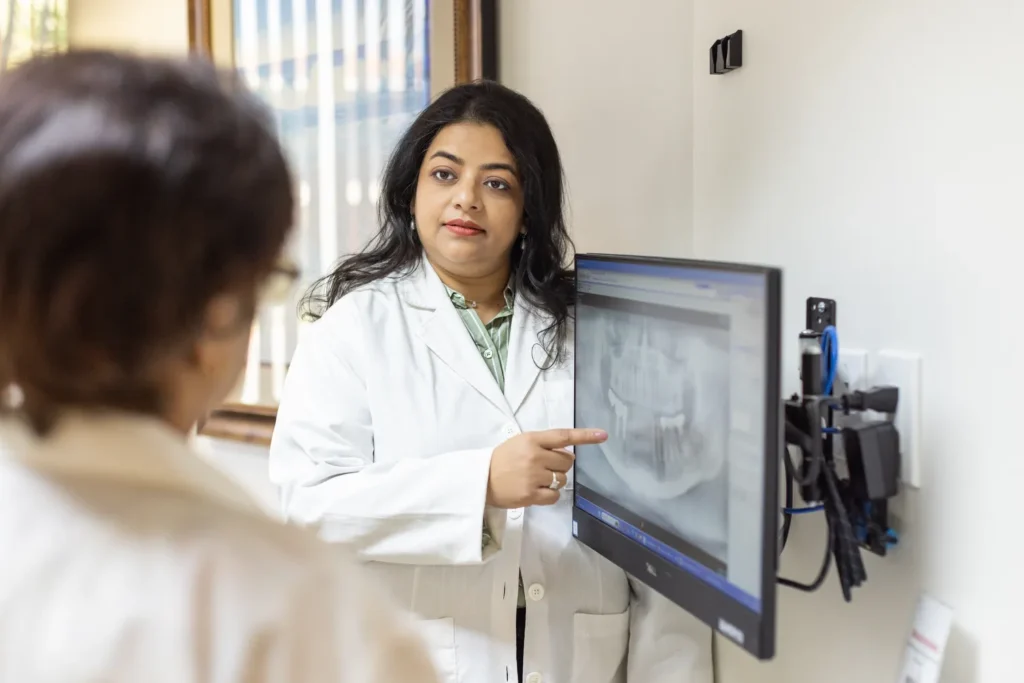
X-rays provide detailed images that help diagnose issues not visible during a standard exam.
- Hidden Cavities Detect decay between teeth or under restorations.
- Bone Health Evaluate bone levels supporting your teeth.
- Infections or Abscesses Identify issues below the gumline.
- Tooth Development Monitor growth and positioning of teeth.
What to Expect During Your Visit
Your exam and X-ray visit is quick, comfortable, and designed to give you a clear understanding of your oral health.
- Review of your dental and medical history
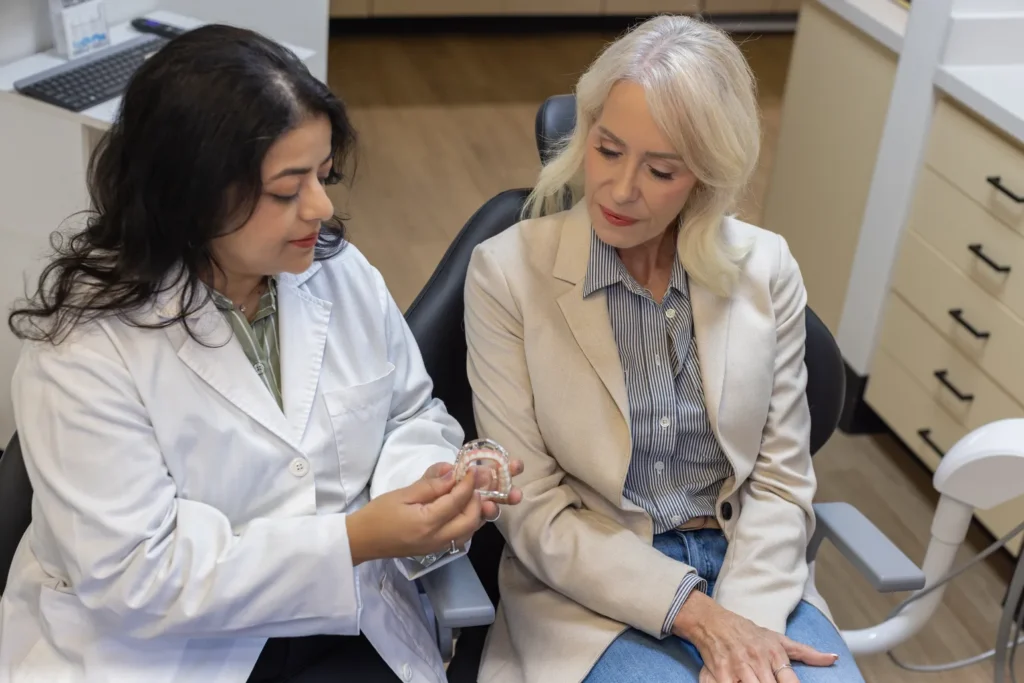
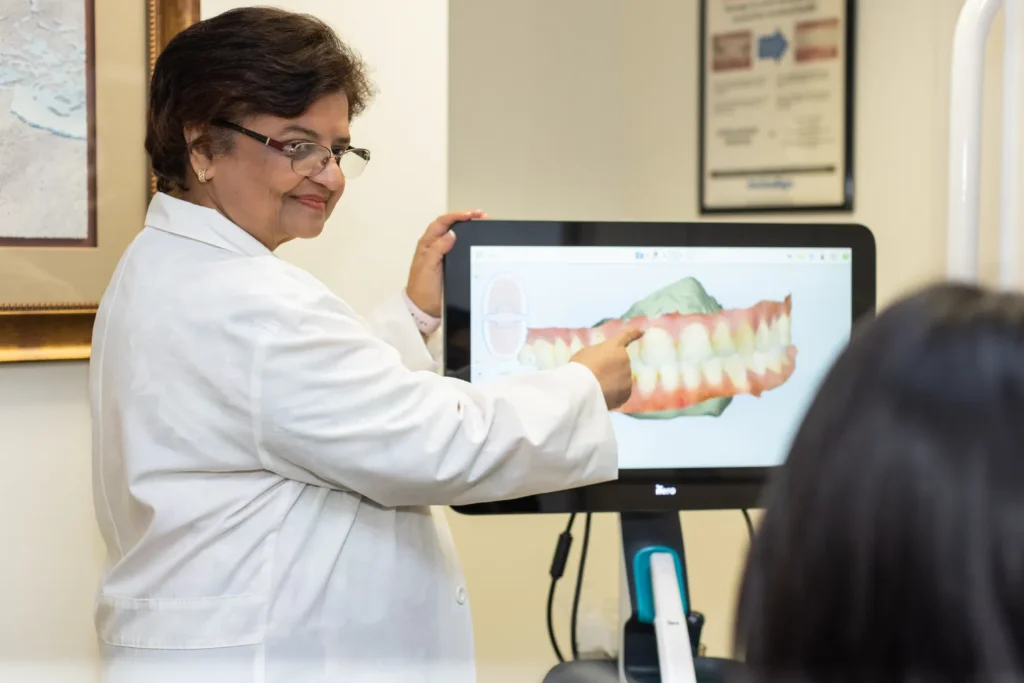
- Thorough examination of teeth, gums, and bite
- Digital X-rays as needed
- Discussion of findings and treatment recommendations
How Often Should You Get Exams and X-Rays?
Most patients should have a dental exam every six months, while X-rays are taken as needed based on your oral health and risk factors. Your dentist will recommend a schedule tailored to your needs.
Stay proactive about your oral health—schedule your dental exam and X-rays to catch issues early and keep your smile on track.
Dental Exam & X-Rays FAQ
- What is included in a dental exam?
- A comprehensive dental exam includes an evaluation of the teeth, gingiva, bite, and overall oral health. The dentist examines the visible tooth surfaces for dental caries, cracks, worn enamel, defective restorations, and other abnormalities while assessing the gingival tissues for inflammation and signs of periodontal disease. The examination can also include an oral cancer screening of the mouth and surrounding tissues, review of your dental and medical history, and assessment of your occlusion. When clinically indicated, digital dental X-rays are used to evaluate structures that cannot be fully assessed during a visual examination.
- Are dental X-rays safe?
- Yes. Modern digital dental X-rays use very low levels of radiation and are considered safe when clinically indicated and appropriately performed. Digital radiography provides diagnostic images that allow the dentist to evaluate areas beneath the visible tooth surfaces, including interproximal dental caries, tooth roots, alveolar bone levels, infections, abscesses, and developing teeth. X-rays are prescribed according to the patient’s age, dental history, oral-health condition, symptoms, and individual risk factors rather than automatically being taken at every appointment.
- How often should I get dental X-rays?
- There is no single X-ray schedule that applies to every patient. Smart Smile Dental recommends that dental X-rays be taken as needed based on factors such as age, oral-health history, dental caries risk, periodontal condition, symptoms, previous radiographic findings, and the need to evaluate developing or impacted teeth. Routine dental examinations are generally recommended every six months for most patients, while the frequency and type of radiographs are determined separately according to clinical need.
- Do dental exams hurt?
- No. A routine dental examination is typically non-invasive, quick, and comfortable. The dentist visually evaluates the teeth and oral tissues and may gently examine the gingiva and assess the bite and jaw relationship. When necessary, digital X-rays are taken using dental radiographic equipment to obtain diagnostic images of areas beneath the gumline or between teeth. Patients with dental sensitivity, acute inflammation, infection, or other oral conditions should inform the dental team so the examination can be adapted for comfort.
- Why are X-rays necessary?
- Dental X-rays provide diagnostic information that cannot always be obtained through a visual examination alone. Digital radiographs can reveal hidden or interproximal cavities, decay beneath existing restorations, changes around tooth roots, infections or abscesses below the gumline, and the condition of the alveolar bone supporting the teeth. Radiographs can also help monitor tooth development and the positioning of developing teeth. Combining clinical examination findings with appropriate dental imaging gives the dentist a more complete assessment of oral health and helps guide treatment decisions.
- Can exams detect gum disease?
- Yes. A comprehensive dental examination includes evaluation of the gingival tissues for redness, swelling, inflammation, bleeding, recession, and other clinical signs associated with periodontal disease. The dentist can also assess plaque and calculus accumulation and evaluate the condition of the tissues supporting the teeth. When periodontal disease is suspected, additional periodontal assessment, including periodontal pocket measurements and dental X-rays to evaluate supporting alveolar bone levels, may be recommended. Early identification allows appropriate preventive or periodontal treatment to be initiated before disease progresses.
- What happens if a problem is found?
- If the examination or digital X-rays reveal a dental or periodontal problem, the dentist will explain the findings and discuss appropriate treatment options based on the condition identified. Depending on the diagnosis, recommendations may include preventive care, professional dental cleaning, periodontal treatment, a dental filling for caries, root canal therapy for an infected tooth, restorative treatment for a damaged tooth, or additional diagnostic evaluation. The dentist can review the affected tooth or oral structure, explain the proposed treatment sequence, and develop a personalized care plan based on your oral-health needs.
- How long does an exam and X-ray visit take?
- Most dental exam and X-ray appointments take approximately 45 minutes to 1 hour, depending on the patient’s individual needs and the extent of the evaluation. The visit may include a review of your dental and medical history, comprehensive examination of the teeth and gingival tissues, bite evaluation, oral cancer screening, and digital dental X-rays when clinically indicated. Additional time may be required if the dentist identifies an area that needs further diagnostic evaluation or if a detailed treatment plan needs to be discussed.
- Are X-rays taken at every visit?
- No. Dental X-rays are not automatically taken at every dental examination. The dentist determines when radiographs are clinically appropriate based on factors such as dental history, age, caries risk, periodontal health, symptoms, previous X-ray findings, and the need to monitor tooth development or supporting bone. When indicated, digital X-rays can provide information about hidden cavities, alveolar bone levels, infections, abscesses, tooth roots, and developing teeth that may not be visible during the clinical examination.
- How do I get started?
- Getting started is as simple as scheduling a comprehensive dental examination. During the appointment, the dentist reviews your dental and medical history and evaluates your teeth, gingiva, bite, and overall oral health. Digital X-rays can be taken when clinically indicated to assess hidden dental caries, supporting alveolar bone, infections, tooth roots, and tooth development. Most patients should have a dental examination approximately every six months, while the frequency of X-rays is customized according to individual oral-health conditions and risk factors. Smart Smile Dental can then use the examination and diagnostic findings to develop a personalized preventive or treatment plan.
DR. LORI BAGAI, DDS
Learn More