Kids & Family Dental Care
Pediatric Dentistry in Orange, CA
Gentle, supportive dental care for growing smiles.
Pediatric dentistry focuses on helping children develop healthy teeth and positive dental habits from an early age. From first visits to routine checkups, care is designed to be comfortable, educational, and stress-free. At Smart Smile Dental, we create a welcoming environment where kids feel at ease and confident about their oral health.
COMPREHENSIVE AND GENTLE DENTISTRY UNDER ONE ROOF
Pediatric Dentistry at Smart Smile Dental in Orange, CA
Pediatric dentistry provides specialized care for infants, children, and teens, focusing on prevention, education, and healthy development. Early dental visits help detect issues, build comfort with dental care, and establish habits that last a lifetime. :contentReference[oaicite:0]{index=0}
Why Pediatric Dental Care Matters
Starting dental care early supports long-term oral health and helps children feel comfortable with routine visits.
- Early Detection Identify dental issues before they become more serious.
- Healthy Habits Teach proper brushing and flossing techniques.
- Comfort & Confidence Helps children feel at ease with dental visits.
- Growth Monitoring Tracks development of teeth and jaw.
Your Child’s First Dental Visit
Children should visit the dentist when their first tooth appears or by their first birthday. Early visits help create a positive experience and allow for early evaluation of oral health and development.
- Friendly introduction and gentle examination
- Evaluation of teeth, gums, and jaw development
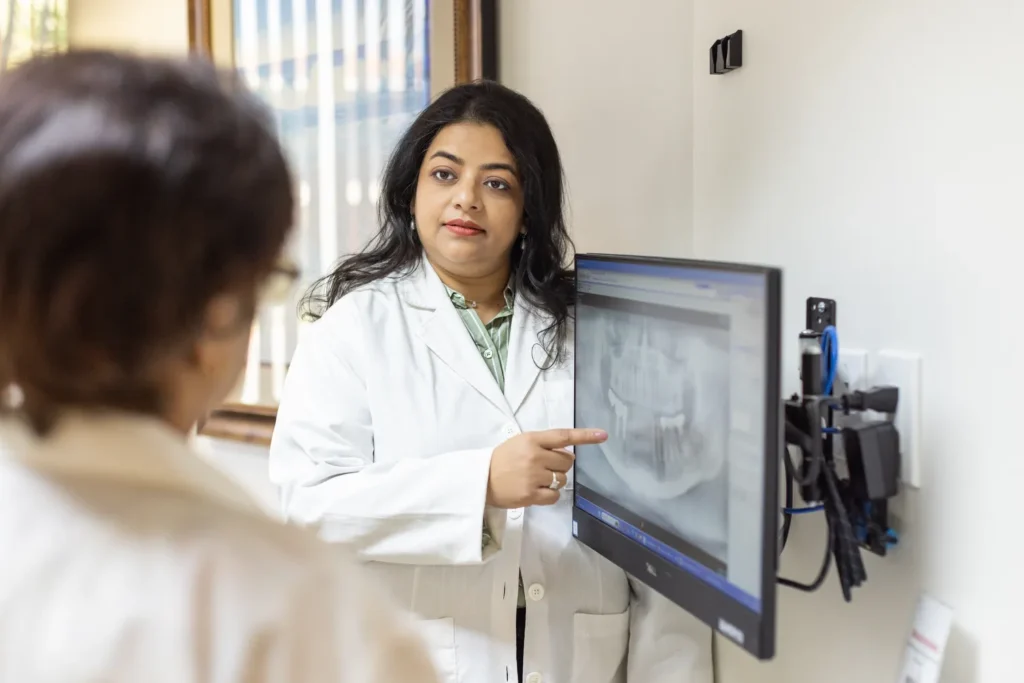
- X-rays if needed for deeper insight
- Guidance on habits like thumb sucking or pacifier use
- Optional cleaning and preventive care
What Pediatric Dental Visits Include
Each visit is designed to be educational, supportive, and tailored to your child’s needs.
- Routine Exams & Cleanings Maintain healthy teeth and gums.
- Preventive Treatments Protect against cavities and decay.
- Oral Hygiene Education Teach kids how to care for their teeth.
- Personalized Care Plans Adapted as your child grows.
Helping Kids Feel Comfortable
Creating a positive experience is key to lifelong dental health. Simple preparation—like using positive language and explaining the visit in a friendly way—can help reduce anxiety and build confidence.
Give your child a strong start for lifelong oral health—schedule their dental visit today.
Pediatric Dentistry FAQ
- When should my child first visit the dentist?
- Children should have their first dental visit when the first primary tooth erupts or no later than their first birthday. This early pediatric dental examination allows the dentist to evaluate the developing primary dentition, gingival tissues, oral structures, and jaw development while introducing the child to a dental environment in a gentle and age-appropriate way. Early assessment also provides an opportunity to discuss feeding habits, oral hygiene, thumb sucking, pacifier use, fluoride exposure, and other factors that can affect developing teeth.
- Why are early dental visits important?
- Early dental visits help identify developing oral health problems before they become more complex and establish healthy habits during the formative years. Pediatric examinations can monitor primary tooth eruption, dental development, jaw growth, plaque accumulation, and early signs of dental caries. These visits also allow the dental team to teach age-appropriate brushing and flossing techniques, discuss nutrition and cavity prevention, and help children become comfortable with routine dental care. Regular preventive care supports healthy primary teeth while guiding the development of the permanent dentition.
- What happens during a child’s first visit?
- A child’s first dental visit is designed to be gentle, educational, and reassuring. The dentist performs an age-appropriate examination of the teeth, gingiva, oral tissues, and developing jaws and may evaluate the eruption pattern of the primary teeth. Digital dental X-rays may be recommended when clinically indicated to obtain information that cannot be seen during a visual examination. The visit may also include oral-hygiene instruction, discussion of thumb sucking or pacifier habits, dietary guidance, fluoride recommendations, and preventive treatment planning based on the child’s age and individual risk factors.
- Are dental X-rays safe for children?
- Yes. When dental X-rays are clinically necessary, modern digital radiography uses very low levels of radiation and is considered safe when appropriate pediatric precautions are followed. Dental radiographs can provide diagnostic information about developing permanent teeth, tooth eruption, dental caries between teeth, roots, supporting bone, and other structures that may not be visible during a clinical examination. The dentist determines whether an X-ray is necessary based on the child’s age, dental development, symptoms, caries risk, and clinical findings rather than using radiographs routinely without a diagnostic reason.
- How often should children visit the dentist?
- Most children should visit the dentist approximately every six months for routine examinations, professional cleanings, preventive care, and monitoring of dental and jaw development. The appropriate recall interval may be adjusted when a child has elevated caries risk, orthodontic concerns, enamel defects, poor oral hygiene, developmental issues, or other specific dental needs. Regular six-month visits allow the dentist to monitor primary and permanent tooth eruption, identify dental caries early, evaluate gingival health, reinforce brushing and flossing techniques, and update the preventive care plan as the child grows.
- How can I prepare my child for their visit?
- Parents can help prepare children by using positive, age-appropriate language and explaining that the dental visit is an opportunity for the dentist to count and check their teeth. Keep explanations simple and avoid words that may create unnecessary fear or anxiety. Reading children’s books about dental visits, practicing opening the mouth for an examination, and maintaining a calm attitude can also help. Parents should avoid describing dental procedures using frightening terms and instead allow the pediatric dental team to explain instruments, examinations, cleanings, and preventive treatments in a reassuring manner.
- What if my child is nervous?
- Dental anxiety is common in children, particularly during their first few visits or when they are unfamiliar with the dental environment. Pediatric dental care focuses on creating a calm, friendly experience through age-appropriate communication, gentle examinations, positive reinforcement, and gradual introduction to dental procedures. The dental team can explain what is happening in simple language and allow the child to become familiar with the treatment environment at an appropriate pace. For children with significant anxiety or more extensive treatment needs, the dentist can discuss additional behavior-management or comfort options when clinically appropriate.
- Do baby teeth really matter?
- Yes. Primary teeth are essential for chewing, speech development, maintaining appropriate space in the dental arches, and guiding the eruption and positioning of permanent teeth. Healthy baby teeth also support normal oral development and help children establish effective brushing and dietary habits. Premature loss of a primary tooth because of untreated dental caries or infection can sometimes affect spacing and eruption patterns of the permanent dentition. Maintaining primary teeth until their natural exfoliation is therefore an important part of pediatric preventive dentistry.
- Can thumb sucking affect teeth?
- Yes. Prolonged thumb sucking or other non-nutritive sucking habits can influence the developing dental arches and occlusion, particularly as the child grows and the permanent dentition begins to develop. Depending on the duration, frequency, and intensity of the habit, prolonged thumb or finger sucking may contribute to changes such as an anterior open bite, altered incisor position, or changes in the relationship between the upper and lower dental arches. Regular pediatric dental examinations allow the dentist to monitor the effect of the habit on tooth alignment and jaw development and recommend age-appropriate strategies for discontinuing it.
- How do I get started?
- Getting started is as simple as scheduling your child’s pediatric dental examination. The initial visit provides an opportunity to evaluate the teeth, gingival tissues, oral development, tooth eruption, and jaw growth while establishing a preventive care plan. Depending on age and clinical findings, the dentist may recommend a professional cleaning, fluoride preventive care, digital dental X-rays, oral-hygiene instruction, dietary counseling, or monitoring of habits such as thumb sucking and pacifier use. Smart Smile Dental recommends beginning routine dental care by the first birthday or when the first tooth appears and continuing regular visits, generally every six months, as your child grows.
DR. LORI BAGAI, DDS
Learn More