Smile Protection
Mouth Guards in Orange, CA
Protect your teeth from grinding, injury, and everyday stress.
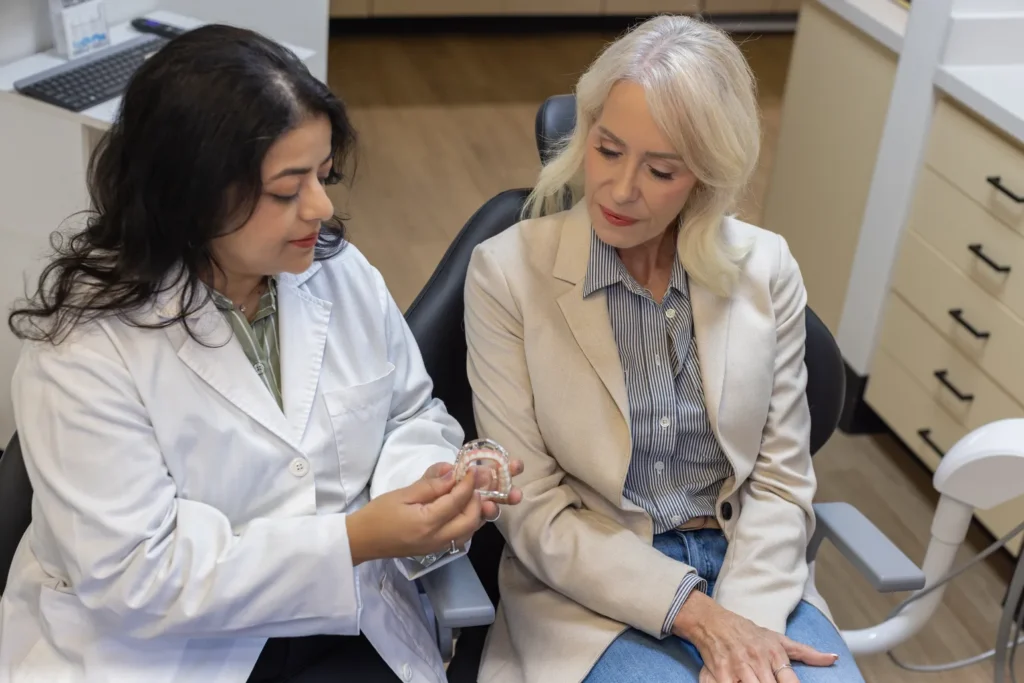
Mouth guards are custom dental appliances designed to protect your teeth, jaw, and overall oral health. Whether you grind your teeth at night, play sports, or experience jaw tension, a properly fitted mouth guard can help prevent damage and improve comfort. At Smart Smile Dental, mouth guards are tailored for a secure, comfortable fit.
COMPREHENSIVE AND GENTLE DENTISTRY UNDER ONE ROOF
Mouth Guards at Smart Smile Dental in Orange, CA
Mouth guards are designed to protect your teeth from damage caused by grinding, clenching, sports injuries, and jaw strain. Custom-made appliances provide a better fit and more reliable protection compared to over-the-counter options. :contentReference[oaicite:0]{index=0}
Types of Mouth Guards
Different types of mouth guards are available depending on your needs and lifestyle.
- Night Guards Protect teeth from grinding and clenching during sleep.
- Sports Mouth Guards Cushion and protect teeth during athletic activities.
- TMJ Mouth Guards Help reduce stress on the jaw joint and alleviate discomfort.
- Sleep Apnea Appliances Help improve airflow by positioning the jaw forward.
Benefits of Custom Mouth Guards
Custom-fitted mouth guards are designed specifically for your teeth, offering improved comfort and effectiveness compared to store-bought options.
- Superior Protection Shields teeth from wear, fractures, and injury.
- Comfortable Fit Custom design ensures a secure and natural feel.
- Improved Sleep Quality Reduces grinding and helps relieve tension.
- Durable Design Built to withstand regular use.
How Custom Mouth Guards Are Made
Your mouth guard is carefully designed to fit your bite and provide optimal protection.
- Consultation to determine the right type of guard
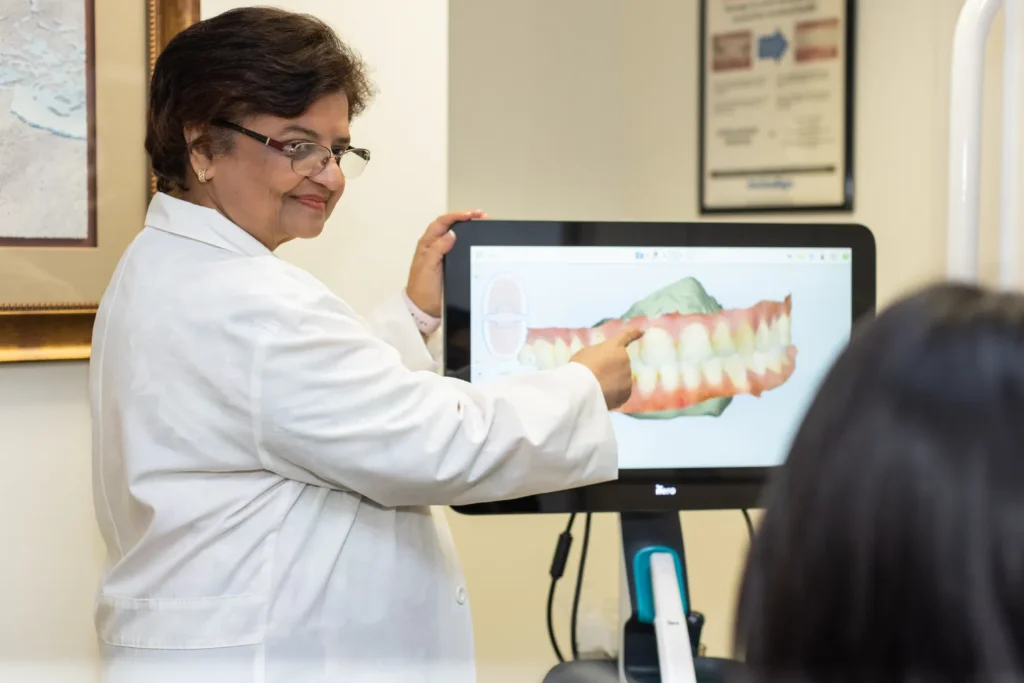
- Digital scan or impressions of your teeth
- Custom fabrication in a dental lab
- Final fitting and adjustments for comfort
Is a Mouth Guard Right for You?
If you grind your teeth, experience jaw pain, participate in sports, or have been diagnosed with TMJ or sleep apnea, a mouth guard may help protect your smile and improve comfort. A consultation will determine the best type for your needs.
Protect your teeth and improve your comfort—schedule a visit to get fitted for a custom mouth guard.
Mouth Guards FAQ
- What is a mouth guard?
- A mouth guard is a custom or prefabricated oral appliance worn over the teeth to protect the dentition from excessive forces, grinding, clenching, and sports-related trauma. Depending on its purpose, a mouth guard may be designed as a night guard for bruxism, a sports mouth guard for athletic protection, a TMJ appliance to help reduce stress on the temporomandibular joint, or a sleep-apnea oral appliance designed to reposition the lower jaw and improve upper-airway airflow. Custom appliances are designed around the patient’s individual tooth anatomy and occlusion for a more secure and comfortable fit.
- Who needs a mouth guard?
- A mouth guard may be recommended for patients with sleep bruxism, chronic teeth clenching, jaw tension, temporomandibular joint (TMJ) symptoms, or a higher risk of dental trauma during contact or high-impact sports. Patients with tooth wear, fractured restorations, enamel damage, or morning jaw soreness may also benefit from evaluation for a protective night guard. Athletes may require a sports mouth guard to cushion the teeth and oral structures against impact. Patients with suspected obstructive sleep apnea may require a separate mandibular advancement oral appliance rather than a conventional protective mouth guard.
- What is the difference between a custom and store-bought mouth guard?
- A custom mouth guard is fabricated specifically for the patient’s dental arches, tooth contours, and bite relationship, while a store-bought mouth guard is generally produced in standardized sizes or as a boil-and-bite appliance that is molded at home. Custom fabrication begins with a dental consultation followed by a digital intraoral scan or physical dental impressions. The resulting records are used by a dental laboratory to fabricate an appliance with a precise fit and appropriate thickness and coverage for its intended purpose. A final clinical fitting allows the dentist to check retention, comfort, occlusion, and areas requiring adjustment.
- Can a mouth guard help with teeth grinding?
- Yes. A custom night guard can help protect the teeth from excessive forces associated with sleep bruxism, including grinding and clenching. By placing a durable protective appliance between the upper and lower dental arches, the guard can reduce direct tooth-to-tooth contact and help protect enamel, crowns, fillings, and other dental restorations from excessive wear or fracture. A properly fitted appliance should be evaluated for retention, comfort, and bite relationship because an inappropriate fit may not provide the intended protection.
- Do mouth guards help with TMJ?
- A properly selected oral appliance may help reduce excessive loading or muscle tension associated with certain temporomandibular joint (TMJ) conditions. A TMJ mouth guard can provide a controlled occlusal surface between the upper and lower teeth and may reduce the effects of clenching or grinding that contribute to jaw discomfort. However, TMJ disorders have multiple causes, so the appropriate appliance depends on the patient’s symptoms, occlusion, jaw function, muscle tenderness, and clinical diagnosis. A dental evaluation is important before using an appliance specifically for TMJ-related symptoms.
- How often should a mouth guard be replaced?
- A mouth guard should be evaluated and replaced when it develops significant wear, cracks, distortion, loss of retention, or no longer fits properly. Patients with active bruxism may wear through an appliance more quickly because of repeated occlusal forces, while sports mouth guards may require replacement after substantial impact or deterioration. Changes in the dentition, dental restorations, orthodontic treatment, or bite can also affect appliance fit. During routine dental examinations, the dentist can inspect the mouth guard for material wear, damage, fit, and continued effectiveness.
- How do I clean my mouth guard?
- A removable mouth guard should be cleaned after use to remove saliva, plaque, and food debris from the appliance. Rinse it thoroughly with cool or lukewarm water and clean it using a gentle cleanser or a dental-appliance cleaning product recommended by your dentist. Avoid very hot water because excessive heat can distort some thermoplastic appliance materials and alter the fit. After cleaning, allow the appliance to dry appropriately before storing it in a ventilated protective case. Regular cleaning helps reduce bacterial buildup, odors, and material deterioration.
- Can mouth guards help with snoring?
- Certain oral appliances can help reduce snoring by repositioning the lower jaw forward and helping maintain a more open upper airway during sleep. These devices are different from conventional night guards designed primarily for bruxism protection. A mandibular advancement device is typically customized according to the patient’s dental anatomy and bite and should be evaluated by a qualified dental professional, particularly when obstructive sleep apnea is suspected. Persistent loud snoring, witnessed breathing pauses, gasping, or excessive daytime sleepiness may warrant a medical sleep evaluation rather than relying on a mouth guard alone.
- Are mouth guards comfortable to wear?
- Custom mouth guards are designed to provide a secure fit around the patient’s individual teeth and bite, which can make them more comfortable than generic store-bought appliances. The fitting process may include a digital dental scan or conventional impressions, custom fabrication in a dental laboratory, and a final clinical fitting. A short adjustment period is common as the tongue, cheeks, jaw muscles, and bite adapt to the appliance. If the guard causes persistent pressure, soreness, gagging, excessive movement, or changes in the bite, it should be returned to the dentist for evaluation and adjustment.
- How do I get started?
- Getting started begins with a dental consultation to determine which type of oral appliance best matches your needs, whether you require protection from bruxism, sports-related trauma, TMJ symptoms, or sleep-related airway problems. The dentist will evaluate your teeth, existing restorations, occlusion, jaw function, and relevant symptoms. For a custom appliance, dental records may include a digital intraoral scan or physical impressions, followed by custom fabrication in a dental laboratory. The completed mouth guard is then fitted and adjusted to provide appropriate retention, comfort, and functional protection. Smart Smile Dental recommends scheduling a consultation to determine the appropriate mouth guard for your individual oral-health needs.
DR. LORI BAGAI, DDS
Learn More