Cavity Prevention
Dental Sealants in Orange, CA
Protect your teeth from cavities with a simple, preventive treatment.
Dental sealants provide an added layer of protection against tooth decay, especially in hard-to-reach areas. These thin coatings are applied to the chewing surfaces of molars to block out bacteria and food particles. At Smart Smile Dental, sealants are a quick and effective way to help maintain long-term oral health.
COMPREHENSIVE AND GENTLE DENTISTRY UNDER ONE ROOF
Dental Sealants at Smart Smile Dental in Orange, CA
Dental sealants are a preventive treatment designed to protect teeth from cavities by sealing the deep grooves where plaque and bacteria often collect. This simple procedure is especially beneficial for children but can also help adults maintain healthier teeth.
How Dental Sealants Work
The chewing surfaces of molars have natural grooves that can trap food and bacteria. Sealants create a smooth barrier that helps keep these areas clean and protected.
- Protective Coating Applied to molars to shield against decay.
- Seals Deep Grooves Prevents buildup in hard-to-clean areas.
- Quick Application Completed in just one visit.
- Painless Treatment No drilling or anesthesia required.
Benefits of Dental Sealants
Sealants provide long-lasting protection and are an easy way to reduce the risk of cavities.
- Prevents Cavities Blocks bacteria from settling in tooth grooves.
- Supports Oral Health Helps maintain clean, healthy teeth.
- Long-Lasting Protection Can protect teeth for several years.
- Ideal for Children and Teens Protects newly erupted permanent teeth.
What to Expect During the Procedure
Applying dental sealants is simple, fast, and comfortable.
- Teeth are cleaned and prepared
- Special solution helps the sealant bond to the tooth
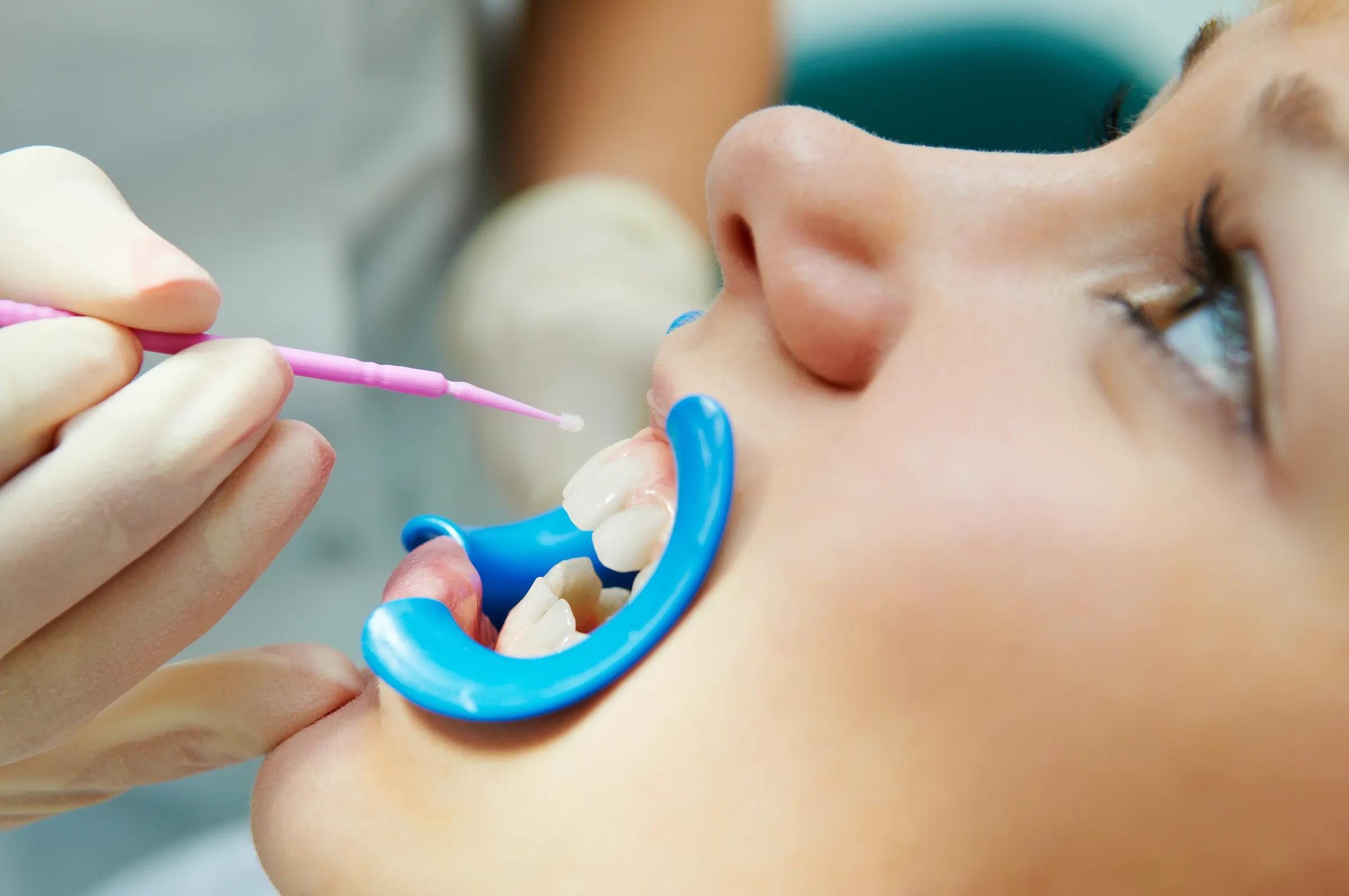
- Sealant material is applied and hardened
- Final check ensures proper coverage and comfort
Are Dental Sealants Right for You?
Sealants are commonly recommended for children and teens, but adults without existing fillings or decay in molars may also benefit. A consultation can help determine if sealants are a good option for your preventive care plan.
Protect your smile from cavities—schedule a visit to learn more about dental sealants.
Dental Sealants FAQ
- What are dental sealants?
- Dental sealants are thin protective coatings applied to the chewing surfaces of posterior teeth, particularly molars, to help prevent dental caries. Molars contain natural pits, fissures, and deep grooves where plaque, food particles, and cavity-causing bacteria can accumulate and be difficult to remove with a toothbrush. The sealant flows into these susceptible areas and creates a smooth protective barrier over the enamel, helping reduce bacterial and food accumulation in hard-to-clean surfaces.
- Who should get dental sealants?
- Dental sealants are commonly recommended for children and teenagers, particularly after permanent molars erupt and their chewing surfaces contain deep pits and fissures that are susceptible to plaque retention. Adults may also benefit when posterior molars have vulnerable grooves and do not already have fillings or active decay. A dental examination allows the dentist to evaluate the enamel, anatomy of the occlusal surfaces, existing restorations, and individual caries risk before determining whether a sealant is appropriate.
- How long do sealants last?
- Dental sealants can provide protection for several years when properly placed and maintained. Their longevity depends on factors such as chewing forces, the condition of the sealant material, oral hygiene, diet, and the anatomy of the molar grooves. Because sealants can gradually wear or become partially lost, the dentist should inspect them during routine dental examinations and determine whether a worn or missing portion needs to be repaired or reapplied.
- Is the procedure painful?
- No. Applying a dental sealant is a minimally invasive preventive procedure that does not require drilling or local anesthesia. The molar is first cleaned and prepared, followed by application of a conditioning solution that helps the sealant bond to the enamel. The sealant material is then placed into the grooves and hardened to form a protective coating. A final inspection confirms adequate coverage and that the restoration feels comfortable within the patient’s bite.
- Do sealants replace brushing and flossing?
- No. Dental sealants provide an additional physical barrier against plaque, food particles, and bacteria in the deep grooves of molars, but they do not replace daily oral hygiene. Patients should continue brushing twice daily with fluoride toothpaste and cleaning between the teeth with dental floss or another appropriate interdental cleaning method. Regular professional dental examinations and cleanings remain important for monitoring the sealants, detecting dental caries in other areas, and maintaining overall oral health.
- Can sealants be applied to adults?
- Yes. Adults can benefit from dental sealants when the chewing surfaces of their molars contain deep grooves or fissures that are susceptible to plaque accumulation and dental caries. Smart Smile Dental specifically notes that adults without existing fillings or decay in their molars may be candidates for this preventive treatment. The dentist will examine the tooth surface and determine whether the enamel is suitable for sealing and whether a sealant provides a meaningful preventive benefit.
- Are sealants visible?
- Dental sealants are generally designed to be discreet and may appear clear, translucent, or tooth-colored depending on the material used. Because they are applied as a thin coating over the chewing surfaces of the molars, they are typically difficult to notice during normal conversation or smiling. The dentist checks the completed sealant for appropriate coverage, retention, and comfort after the material has hardened.
- Do sealants need maintenance?
- Yes. Dental sealants should be evaluated during regular dental examinations to verify that the protective coating remains intact and adequately covers the susceptible pits and fissures of the molars. The dentist can check for partial wear, fractures, gaps, or areas where the sealant has been lost and where plaque could begin accumulating again. If necessary, a worn or missing sealant can be repaired or reapplied to restore coverage and continue preventive protection.
- Can sealants fall off?
- Yes. Although dental sealants are designed to adhere to the enamel and provide protection for several years, portions of the material can gradually wear, chip, or become detached from the chewing surface due to normal mastication and other oral forces. Regular dental examinations allow the dentist to identify incomplete coverage or loss of the sealant before the underlying grooves become vulnerable to plaque accumulation. When clinically appropriate, the affected area can be resealed or the sealant can be reapplied.
- How do I get started?
- Getting started begins with a dental examination to determine whether your molars have deep pits and fissures that would benefit from preventive sealing. The dentist evaluates the chewing surfaces for plaque retention, existing fillings, decay, enamel condition, and overall cavity risk. When appropriate, the tooth is cleaned and prepared, a conditioning solution is used to promote adhesion, and the sealant material is applied and hardened during the same visit. The dentist then checks the coverage and bite for comfort. Smart Smile Dental notes that sealant placement is completed in one visit and does not require drilling or anesthesia.
DR. LORI BAGAI, DDS
Learn More