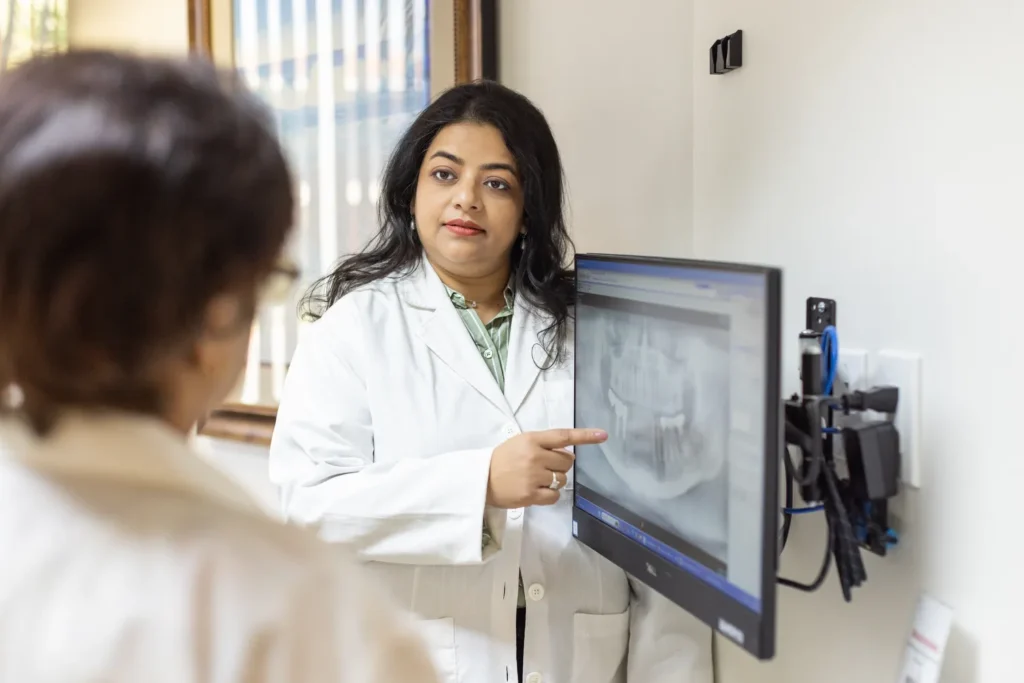
Better Sleep & Breathing
Sleep Apnea Treatment in Orange, CA
Improve your sleep, reduce snoring, and wake up feeling refreshed.
Sleep apnea is a common condition that can disrupt your breathing and affect your overall health. If you snore loudly, feel tired during the day, or struggle with restful sleep, treatment can make a significant difference. At Smart Smile Dental, customized oral appliances offer a comfortable and effective solution to help you breathe better at night.
COMPREHENSIVE AND GENTLE DENTISTRY UNDER ONE ROOF
Sleep Apnea Treatment at Smart Smile Dental in Orange, CA
Sleep apnea treatment focuses on keeping your airway open during sleep to improve breathing and reduce interruptions. Oral appliance therapy is a non-invasive alternative to traditional machines, designed to help you sleep more comfortably while protecting your long-term health.
Signs You May Have Sleep Apnea
Many patients are unaware they have sleep apnea until symptoms begin to affect daily life.
- Loud Snoring Frequent or disruptive snoring during sleep.
- Daytime Fatigue Feeling tired even after a full night’s sleep.
- Interrupted Breathing Pauses in breathing during sleep.
- Morning Headaches Waking up with discomfort or pressure.
- Difficulty Concentrating Reduced focus or memory issues.
How Oral Appliance Therapy Works
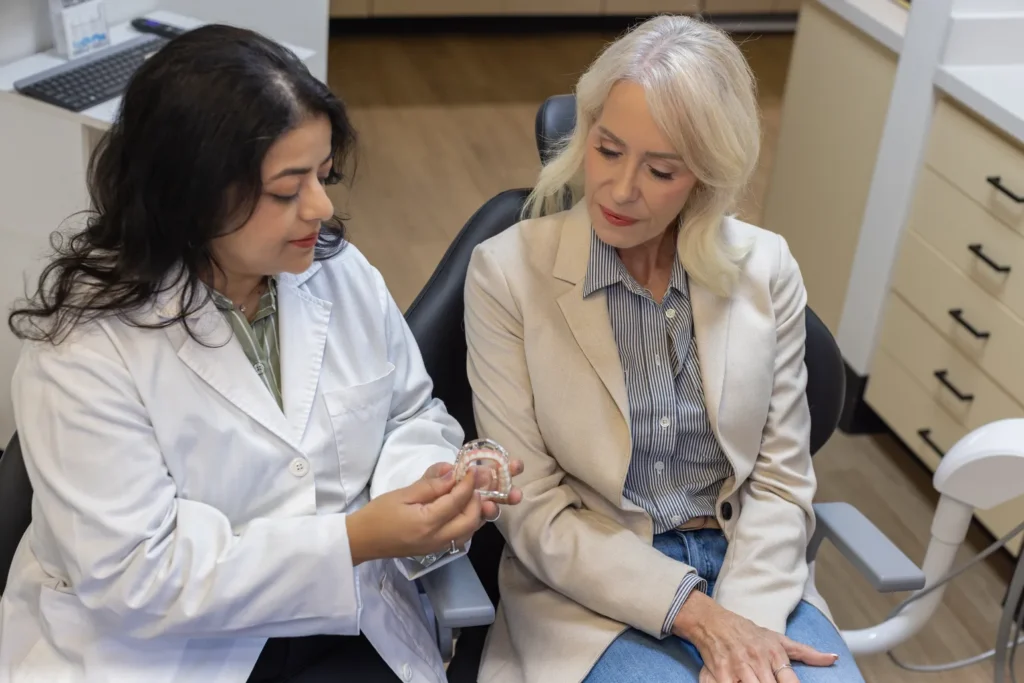
Oral appliances are custom-made devices worn during sleep to gently reposition the jaw and keep the airway open. This helps reduce snoring and improve airflow without the need for bulky equipment.
- Custom-fitted appliance designed for your mouth
- Positions the jaw to prevent airway blockage
- Comfortable, portable, and easy to use
- Quiet alternative to traditional CPAP machines
Benefits of Sleep Apnea Treatment
Addressing sleep apnea can improve both your nightly rest and overall well-being.
- Improved Sleep Quality Fewer interruptions during the night.
- Reduced Snoring Quieter, more restful sleep for you and your partner.
- Better Daytime Energy Wake up feeling more refreshed and alert.
- Support for Overall Health Helps reduce risks associated with untreated sleep apnea.
Is Sleep Apnea Treatment Right for You?
If you experience symptoms of sleep apnea or have been diagnosed but struggle with CPAP therapy, oral appliances may be a comfortable alternative. A consultation can help determine the best solution based on your needs and sleep patterns.
Ready to improve your sleep and overall health? Schedule a consultation to explore your treatment options.
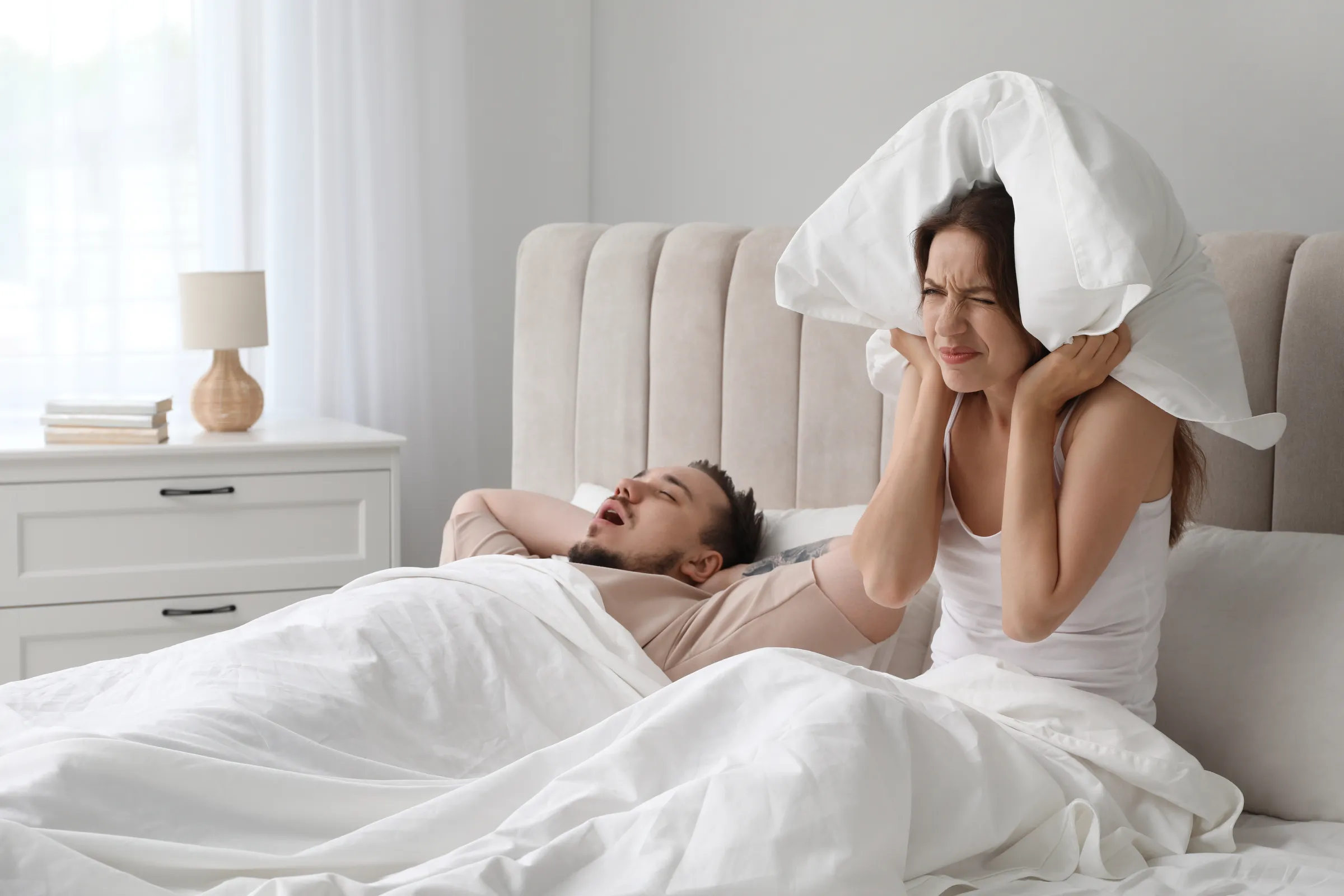
Sleep Apnea Treatment FAQ
- What is sleep apnea?
- Sleep apnea is a sleep-related breathing disorder in which airflow repeatedly stops and starts during sleep. In obstructive sleep apnea (OSA), the upper airway can become partially or completely blocked, interrupting normal breathing and reducing restorative sleep. Common warning signs include loud or disruptive snoring, witnessed pauses in breathing, daytime fatigue, morning headaches, difficulty concentrating, and waking without feeling refreshed. Because untreated sleep apnea can affect overall health, patients experiencing persistent symptoms should receive an appropriate medical evaluation and diagnosis.
- How is sleep apnea treated?
- Sleep apnea treatment depends on the type and severity of the condition and may include oral appliance therapy, continuous positive airway pressure (CPAP) therapy, and appropriate lifestyle changes. At Smart Smile Dental, oral appliance therapy uses a custom-fitted dental device worn during sleep to gently reposition the lower jaw and help maintain upper-airway patency. Oral appliances provide a non-invasive and portable alternative for appropriate patients, including some individuals who have difficulty tolerating traditional CPAP equipment.
- What is an oral appliance?
- An oral appliance is a custom-made dental device worn during sleep to help reduce upper-airway obstruction. The appliance is designed to reposition the jaw in a controlled manner, helping maintain a more open airway and improve airflow during sleep. Because the appliance is fabricated specifically for the patient’s mouth, the fit can be customized for comfort, retention, and nightly use. Oral appliance therapy is different from a conventional nightguard used primarily for bruxism because its primary purpose is to address sleep-related airway obstruction.
- Is oral appliance therapy comfortable?
- Many patients find custom oral appliances comfortable, portable, and convenient compared with bulky nighttime equipment. The appliance is designed to fit the patient’s dental anatomy and is worn during sleep while gently positioning the jaw to help maintain airway openness. Some patients may experience an adjustment period when first using the appliance, including temporary jaw or tooth pressure. Persistent discomfort, changes in the bite, or difficulty tolerating the appliance should be discussed with the dental provider so the fit and treatment approach can be evaluated.
- Can it stop snoring?
- Yes. Oral appliance therapy can reduce or eliminate snoring for many appropriately selected patients by repositioning the jaw and helping prevent airway narrowing during sleep. By supporting improved upper-airway airflow, the appliance can reduce the vibration of tissues associated with snoring. The degree of improvement varies according to the underlying cause and severity of the patient’s sleep-related breathing disorder. Persistent loud snoring should still be evaluated because snoring can be an important symptom of obstructive sleep apnea.
- Do I need a diagnosis before treatment?
- Yes. A proper diagnosis is important before beginning sleep apnea treatment because the severity and type of sleep-related breathing disorder influence the most appropriate therapy. Evaluation can help determine whether symptoms such as loud snoring, witnessed breathing interruptions, daytime fatigue, morning headaches, or concentration difficulties are consistent with sleep apnea. Once the condition has been appropriately diagnosed, the dental team can determine whether a custom oral appliance is an appropriate treatment option or whether coordination with a medical or sleep specialist is necessary.
- Is sleep apnea dangerous?
- Untreated sleep apnea can affect overall health because repeated interruptions in breathing can disrupt normal sleep and may contribute to longer-term health risks. Symptoms such as persistent daytime fatigue, impaired concentration, morning headaches, and non-restorative sleep can also affect daily functioning and quality of life. Because sleep apnea can have significant health consequences when left untreated, patients with persistent symptoms or suspected breathing interruptions during sleep should seek appropriate diagnostic evaluation rather than relying on snoring alone as an indicator of severity.
- How long does it take to get an oral appliance?
- After the initial evaluation and dental impressions, a custom oral appliance is typically ready within a few weeks. The appliance is fabricated to fit the patient’s individual dental anatomy and is designed to reposition the jaw during sleep to help maintain upper-airway openness. Once the appliance is delivered, the dental team can evaluate its fit, comfort, retention, and function and provide instructions for nighttime use. Follow-up appointments may be recommended to assess adaptation and treatment response.
- Will insurance cover sleep apnea treatment?
- Insurance coverage for sleep apnea treatment varies according to the patient’s individual dental or medical insurance plan, benefits, and coverage requirements. Some insurance providers may provide benefits for medically indicated sleep apnea treatment, including oral appliance therapy, while others may have specific documentation or diagnostic requirements. Patients should verify coverage, deductibles, copayments, and any preauthorization requirements directly with their insurance provider before treatment begins.
- How do I get started?
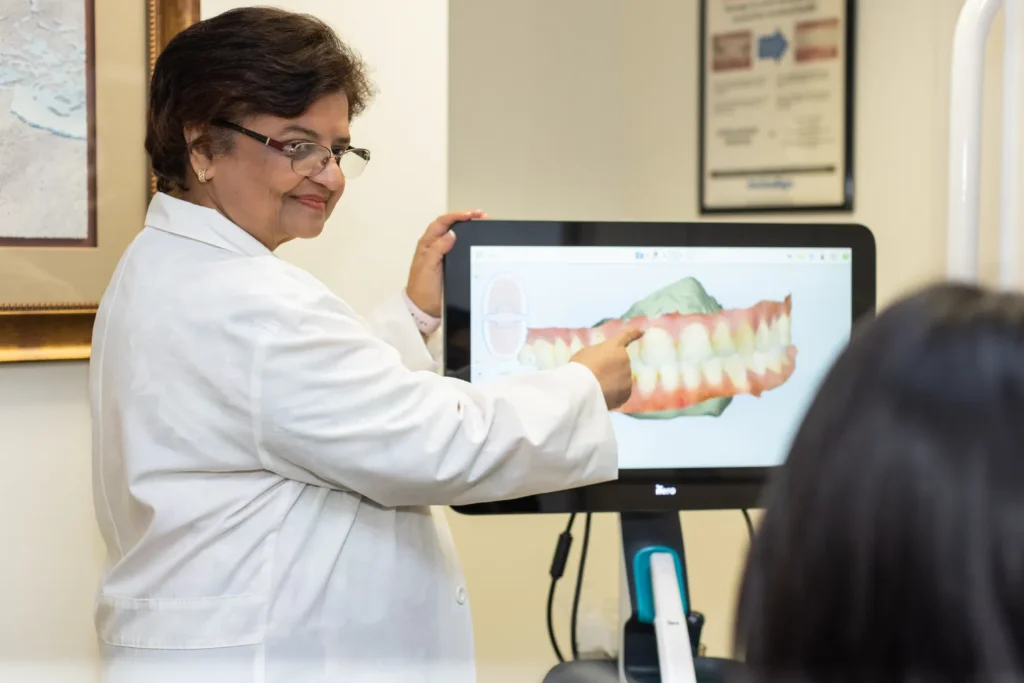
- Getting started begins with a consultation to review symptoms such as loud snoring, daytime fatigue, witnessed breathing interruptions, morning headaches, and difficulty concentrating. A proper diagnosis is important before selecting treatment. If oral appliance therapy is appropriate, the dental team can take dental impressions and coordinate fabrication of a custom-fitted appliance designed to reposition the jaw and help maintain upper-airway airflow during sleep. The appliance is typically ready within a few weeks, after which its fit and comfort can be evaluated and the patient can receive instructions for nightly use.
DR. LORI BAGAI, DDS
Learn More