Relief from Impacted Teeth
Wisdom Tooth Extractions in Orange, CA
Safe, comfortable removal of problematic wisdom teeth.
Wisdom teeth can cause pain, crowding, and infection if they don’t erupt properly. Removing them at the right time helps protect your oral health and prevent future complications. At Smart Smile Dental, wisdom tooth extractions are performed with precision and a strong focus on patient comfort.
COMPREHENSIVE AND GENTLE DENTISTRY UNDER ONE ROOF
Wisdom Tooth Extractions at Smart Smile Dental in Orange, CA
Wisdom tooth extraction is a common oral surgery procedure used to remove third molars that are impacted, overcrowded, or causing discomfort. Early evaluation and treatment help prevent complications and protect surrounding teeth. :contentReference[oaicite:0]{index=0}
Why Wisdom Teeth May Need Removal
Wisdom teeth often do not have enough space to grow properly, leading to a range of issues.
- Impacted Teeth Teeth trapped beneath the gums or bone.
- Crowding Pressure on surrounding teeth causing misalignment.
- Pain or Swelling Discomfort in the back of the mouth.
- Infection or Decay Hard-to-clean areas leading to bacteria buildup.
The Wisdom Tooth Extraction Process
The procedure is carefully performed to ensure safety, comfort, and effective results.
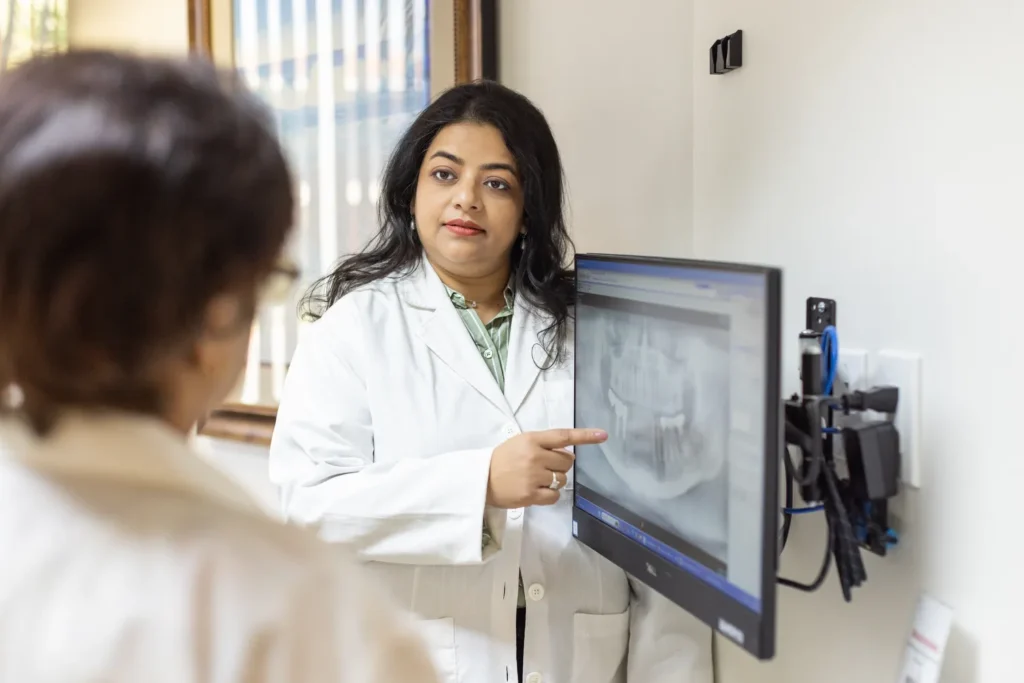
- Comprehensive exam and imaging to assess tooth position
- Local anesthesia or sedation for comfort
- Gentle removal of the tooth using specialized techniques
- Placement of sutures if needed to support healing
Aftercare and Recovery
Proper aftercare is essential for healing and preventing complications. Following your dentist’s instructions will help ensure a smooth recovery.
- Manage Discomfort Mild soreness can be controlled with recommended care.
- Follow Dietary Guidelines Soft foods support healing in the first few days.
- Maintain Oral Hygiene Keep the area clean while avoiding irritation.
- Attend Follow-Ups Ensure proper healing and address any concerns.
Is Wisdom Tooth Extraction Right for You?
If your wisdom teeth are causing pain, crowding, or signs of infection, removal may be recommended. Early evaluation can help prevent more serious complications and protect your overall oral health.
Don’t wait for discomfort to worsen—schedule a consultation to determine if wisdom tooth extraction is right for you.

Wisdom Tooth Extractions FAQ
- What are wisdom teeth?
- Wisdom teeth are the third molars, the final set of permanent teeth located at the back of the upper and lower dental arches. They typically begin erupting during the late teens or early twenties, although the timing varies by patient. When there is insufficient space in the jaw, a third molar may remain partially or completely beneath the gingival tissue or alveolar bone, resulting in an impacted wisdom tooth. A dental examination and appropriate dental X-rays can help evaluate tooth position, root development, eruption pattern, and surrounding structures.
- Why do wisdom teeth need to be removed?
- Wisdom teeth may need to be removed when they become impacted, overcrowded, painful, infected, or difficult to keep clean. A partially erupted third molar can create a pocket around the crown where food debris and bacteria accumulate, increasing the risk of pericoronitis, dental caries, periodontal inflammation, and infection. Impacted teeth can also place pressure on the adjacent second molar or contribute to localized swelling and discomfort. Evaluation with a clinical examination and dental imaging helps determine whether extraction or continued monitoring is appropriate.
- Is wisdom tooth extraction painful?
- Wisdom tooth extraction is performed using local anesthesia to numb the treatment area, with sedation available when clinically appropriate for patient comfort. During the extraction, patients should not feel sharp surgical pain, although they may experience pressure or movement. For an impacted third molar, the procedure may involve a surgical extraction in which the dentist accesses the tooth through the gum tissue and uses specialized extraction techniques to remove the tooth safely. After the anesthetic wears off, mild to moderate postoperative soreness, swelling, and jaw stiffness are common and generally improve over the first several days.
- How long does recovery take?
- Most patients experience their greatest swelling and tenderness during the first 48–72 hours, followed by gradual improvement. Many people can resume normal daily activities within a few days to approximately one week, depending on whether the extraction was straightforward or involved a deeply impacted third molar. The gum tissue typically continues to heal over the following 1–2 weeks, while the underlying alveolar bone undergoes a longer remodeling process. Following postoperative instructions, maintaining appropriate oral hygiene, and attending recommended follow-up visits can support uncomplicated healing.
- What can I eat after the procedure?
- During the initial 24–48 hours, soft foods that require minimal chewing are generally more comfortable while the extraction site begins to stabilize. Recommended options may include yogurt, applesauce, mashed potatoes, oatmeal, eggs, smoothies consumed without a straw, soft pasta, and other soft or lukewarm foods. Avoid hard, crunchy, sticky, or very hot foods that can irritate the surgical site or disturb the developing blood clot. As tenderness and swelling decrease, patients can gradually return to their normal diet according to their dentist’s instructions.
- Will I need time off work or school?
- Many patients take approximately 1–2 days away from work or school following wisdom tooth extraction, particularly when multiple teeth or impacted third molars are removed. A simple erupted-tooth extraction may require less downtime, while a more complex surgical extraction can result in additional swelling, tenderness, and limited jaw opening. Patients should avoid strenuous physical activity during the early recovery period and follow any specific instructions provided by the dental team regarding exercise, driving, and returning to normal activities.
- What are impacted wisdom teeth?
- Impacted wisdom teeth are third molars that cannot fully erupt into their normal position because of inadequate space, abnormal angulation, or obstruction by surrounding teeth, gum tissue, or bone. Impaction can occur in several orientations, including mesioangular, distoangular, vertical, and horizontal positions. A tooth may be partially impacted if part of its crown has emerged through the gum or completely impacted if it remains beneath the gingiva or alveolar bone. Dental imaging helps evaluate the depth, angulation, root anatomy, and relationship of the tooth to neighboring teeth and important anatomical structures.
- Can I keep my wisdom teeth?
- Yes. Wisdom teeth do not automatically require extraction if they are healthy, fully erupted, properly positioned, functional, and easy to maintain with normal brushing and flossing. A dentist may recommend monitoring rather than removal when a third molar is not causing pain, infection, decay, periodontal problems, or damage to an adjacent tooth. Regular dental examinations and appropriate radiographic monitoring can help identify changes in eruption, tooth position, periodontal health, or pathology before the problem becomes more advanced.
- What are the risks of not removing them?
- When a problematic or impacted wisdom tooth is left untreated, it may contribute to recurrent infection, pericoronitis, dental decay, periodontal disease, food impaction, pain, swelling, or damage to the adjacent second molar. Because partially erupted third molars can be difficult to clean, bacteria and debris may accumulate around the tooth and surrounding gum tissue. Some impacted teeth can also be associated with cystic changes or other pathology. The specific risk depends on the tooth’s position, eruption status, anatomy, and overall oral health, so a dental examination and imaging are important when determining whether monitoring or extraction is appropriate.
- How do I get started?
- Getting started begins with a comprehensive dental examination and evaluation of your wisdom teeth. The dentist will review your symptoms and dental history, examine the surrounding teeth and gum tissue, and use appropriate dental imaging to assess the position and anatomy of the third molars. If extraction is recommended, the treatment plan can address whether the tooth requires a simple or surgical extraction, the appropriate anesthesia or sedation approach, and postoperative care. Smart Smile Dental states that its wisdom tooth extraction process includes examination and imaging, local anesthesia or sedation, specialized removal techniques, and sutures when needed to support healing.
DR. LORI BAGAI, DDS
Learn More