Foundation for Implants
Bone Grafting in Orange, CA
Rebuild bone structure and prepare your smile for lasting results.
Bone grafting is a specialized procedure used to restore and strengthen the jawbone, often in preparation for dental implants. When bone loss occurs due to missing teeth or gum disease, grafting helps rebuild a stable foundation. At Smart Smile Dental, this treatment is carefully planned to support long-term oral health and successful restorations.
COMPREHENSIVE AND GENTLE DENTISTRY UNDER ONE ROOF
Bone Grafting at Smart Smile Dental in Orange, CA
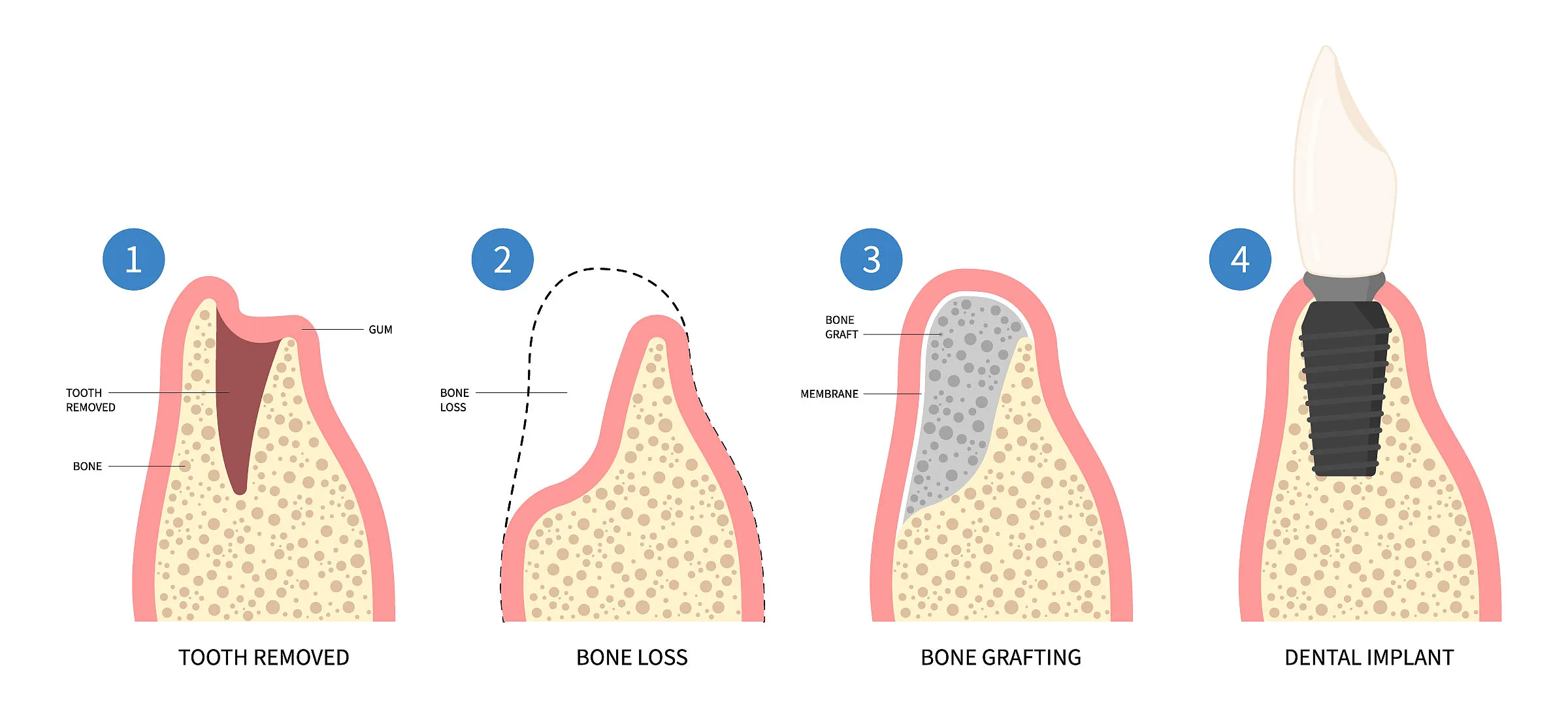
Bone grafting is a procedure that restores lost or weakened jawbone by placing new bone or grafting material in targeted areas. This process encourages natural bone regeneration, creating the support needed for dental implants and maintaining facial structure. :contentReference[oaicite:0]{index=0}
Why Bone Grafting Is Needed
Bone loss can occur for several reasons, and grafting helps rebuild the structure needed for optimal oral health.
- Missing Teeth Bone shrinks over time when teeth are not replaced.
- Gum Disease Periodontal disease can damage bone supporting the teeth.
- Injury or Trauma Damage to the jaw may require reconstruction.
- Tooth Extraction Bone preservation after removal supports future treatments.
How Bone Grafting Works
The procedure is designed to regenerate bone and create a strong foundation for future dental work.
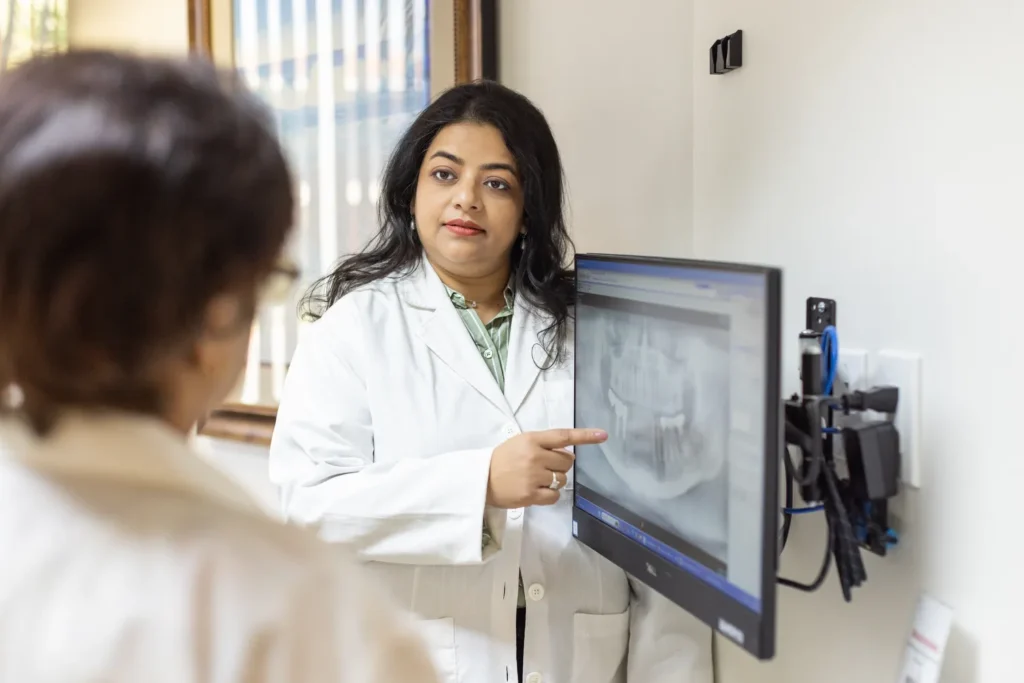
- Consultation and imaging to evaluate bone structure
- Placement of bone graft material in targeted areas
- Stabilization of the graft to support healing
- Healing period for natural bone integration
Benefits of Bone Grafting
This treatment provides both functional and long-term health advantages.
- Supports Dental Implants Creates a stable base for implant placement.
- Restores Jaw Structure Helps maintain facial shape and support.
- Improves Oral Health Strengthens the foundation of your teeth and gums.
- Long-Term Stability Promotes durable, lasting results.
Recovery and Aftercare
Healing after bone grafting is an important part of the process. Mild swelling or discomfort may occur, but following aftercare instructions helps ensure proper healing and successful integration of the graft.
If you are considering dental implants or have experienced bone loss, schedule a consultation to learn how bone grafting can help restore your smile.
Bone Grafting FAQ
- What is bone grafting?
- Bone grafting is an oral surgical procedure that restores areas of lost or weakened jawbone by placing bone or a bone-grafting material into a targeted site. The graft provides structural support and creates an environment for new bone formation and natural bone regeneration. Bone grafting is commonly used to rebuild the alveolar ridge after tooth loss or extraction and to create adequate bone volume and stability for future dental implant placement.
- Why would I need a bone graft?
- A bone graft may be recommended when insufficient jawbone remains to adequately support a dental implant or maintain normal oral structure. Jawbone loss can occur after tooth loss because the alveolar bone no longer receives normal stimulation from the tooth root. Other causes include periodontal disease, which can damage the bone supporting the teeth, as well as injury, trauma, or bone loss following tooth extraction. A clinical examination and dental imaging can help evaluate bone volume and determine whether grafting is appropriate.
- Is bone grafting painful?
- Bone grafting is typically performed using local anesthesia to numb the treatment area and maintain patient comfort during the procedure. The dentist prepares the treatment site, places the selected bone graft material into the area of bone deficiency, and stabilizes the graft to support healing. Mild swelling, tenderness, bruising, or discomfort can occur after the anesthetic wears off and generally improves during the initial healing period. Following postoperative instructions can help protect the graft while new bone begins to develop.
- How long does it take to heal?
- Bone graft healing generally takes several months because the graft must gradually integrate with the patient’s existing jawbone through a process known as bone remodeling. The exact timeframe depends on the size and location of the graft, the amount of existing bone loss, the type of graft material used, overall oral health, and individual healing response. The dentist may use follow-up examinations and dental imaging to determine when sufficient bone volume and stability have developed for the next stage of treatment, such as dental implant placement.
- Can I get implants after bone grafting?
- Yes. Bone grafting is frequently performed to prepare an area of insufficient jawbone for successful dental implant placement. When tooth loss or periodontal disease has resulted in inadequate alveolar bone volume, grafting can help rebuild the foundation needed to support an implant. The dental implant is generally placed after the graft has had sufficient time to heal and integrate with the surrounding bone. The appropriate timing depends on the extent of bone loss, graft location, healing progress, and the stability of the regenerated bone.
- What materials are used for bone grafting?
- Bone grafting can involve different types of graft materials depending on the patient’s anatomy, treatment goals, and amount of bone loss. Options may include autogenous bone from the patient’s own body, donor bone from a human tissue source, animal-derived xenograft material, or synthetic bone-substitute materials. The graft material is selected based on factors such as the location and size of the bone defect, required structural support, planned dental implant treatment, and the patient’s individual treatment needs.
- Are there risks involved?
- As with other oral surgical procedures, bone grafting carries potential risks such as postoperative swelling, discomfort, bleeding, infection, graft exposure, delayed healing, or incomplete bone integration. The likelihood of complications can vary depending on the size and location of the graft, oral hygiene, periodontal health, smoking or tobacco exposure, systemic health, and adherence to postoperative instructions. Careful treatment planning, graft stabilization, and follow-up care help support proper healing and reduce the risk of complications.
- How successful is bone grafting?
- Bone grafting can provide predictable reconstruction of localized jawbone deficiencies when the treatment is appropriately planned and the graft is allowed to heal without disruption. Successful integration depends on factors such as adequate blood supply, graft stability, the condition of the surrounding bone and soft tissue, oral hygiene, periodontal health, and compliance with postoperative care. Follow-up examinations and, when appropriate, dental imaging can help confirm bone maturation and determine whether the site has developed sufficient volume and stability for dental implant placement or another restorative procedure.
- What should I eat after the procedure?
- A soft-food diet is typically recommended during the initial healing phase to minimize pressure and mechanical irritation around the grafted area. Suitable foods may include yogurt, eggs, oatmeal, applesauce, mashed potatoes, soft pasta, smoothies consumed without a straw, and other foods that require minimal chewing. Patients should generally avoid hard, crunchy, sticky, sharp, or very hot foods that could disturb the surgical site or place unnecessary pressure on the healing graft. The diet can gradually return to normal as healing progresses according to the dentist’s postoperative instructions.
- How do I get started?
- Getting started begins with a comprehensive dental examination and imaging to evaluate the condition and volume of the jawbone. The dentist will assess areas of bone loss, the condition of the surrounding teeth and periodontal tissues, and whether additional bone is needed for dental implant placement or another restorative treatment. If bone grafting is appropriate, the treatment plan can address the location and extent of the graft, the type of graft material being considered, the expected healing and integration period, and the next stage of treatment. Smart Smile Dental recommends scheduling a consultation to determine whether bone grafting is appropriate for your individual treatment needs.
DR. LORI BAGAI, DDS
Learn More