Urgent Dental Relief
Emergency Dental Care in Orange, CA
Prompt care for tooth pain, broken teeth, swelling, and dental injuries.
Dental emergencies can happen suddenly and should never be ignored. Whether you have severe tooth pain, a chipped tooth, bleeding gums, or swelling, timely treatment can help relieve discomfort and protect your oral health. At Smart Smile Dental, emergency visits are focused on diagnosing the problem quickly and helping you get out of pain.
COMPREHENSIVE AND GENTLE DENTISTRY UNDER ONE ROOF
Emergency Dental Care at Smart Smile Dental in Orange, CA
Emergency dental care is designed to address urgent problems that need prompt attention, including pain, infection, injury, or damage to the teeth and gums. Early treatment can prevent complications and help preserve your smile.
Common Dental Emergencies
If you are experiencing pain or visible damage, it is important to schedule care as soon as possible.
- Severe Toothache Persistent pain may signal decay, infection, or nerve irritation.
- Cracked or Broken Tooth Damaged teeth should be treated quickly to prevent infection or further breakage.
- Chipped Tooth Minor chips may still need treatment to protect the tooth and restore appearance.
- Bleeding or Swollen Gums Pain, bleeding, or swelling can indicate infection, injury, or advanced gum problems.
- Dental Abscess Swelling, pressure, or a pimple-like bump on the gums may require urgent attention.
Tooth Injury Treatment
Tooth injuries can happen from accidents, falls, sports, biting something hard, or sudden trauma. Even if the damage seems minor, a chipped, cracked, loosened, or knocked-out tooth should be evaluated quickly to reduce the risk of infection and improve the chance of saving the tooth.
What to Do After a Tooth Injury
- Rinse your mouth gently with warm water
- Apply a cold compress to reduce swelling
- Save any broken tooth pieces if possible
- Avoid chewing on the injured side
- Seek emergency dental care as soon as possible
Treatment may include bonding, a crown, root canal therapy, or another solution depending on the severity of the injury and the health of the tooth.
What to Expect During an Emergency Visit
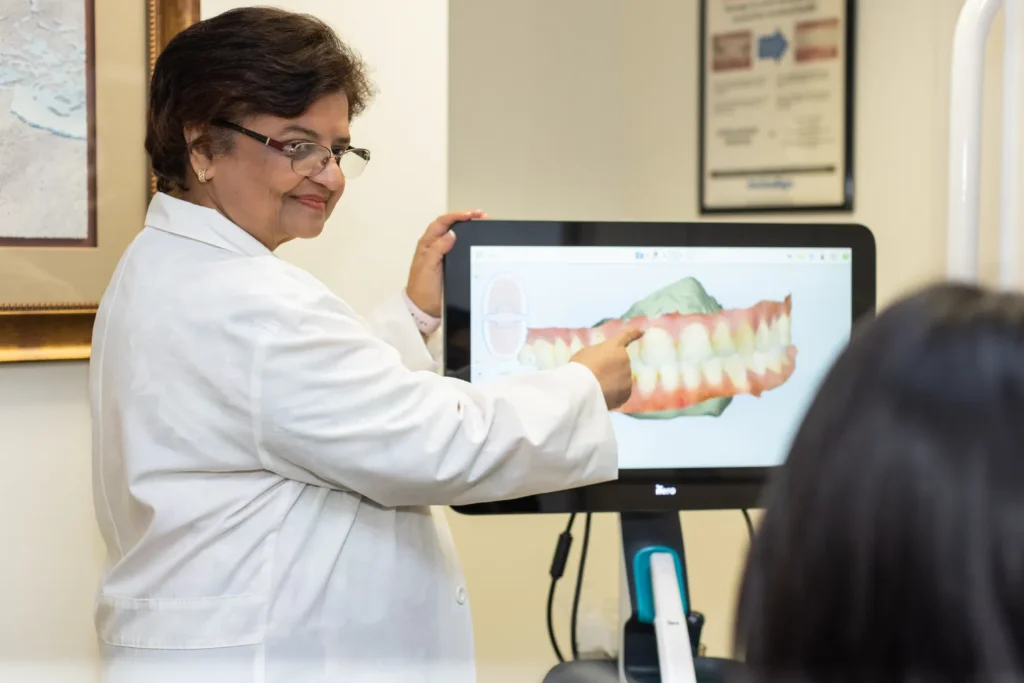
Your visit begins with a focused exam and any needed imaging to identify the source of pain or damage. From there, your dentist will explain the problem, discuss treatment options, and recommend the best next step to stabilize your oral health.
- Limited Emergency Exam Focused evaluation of the urgent concern.
- Diagnostic X-Rays Helps identify infection, fractures, or hidden damage.
- Pain Relief Planning Treatment is prioritized to reduce discomfort quickly.
- Restorative Options Repair may include bonding, fillings, crowns, or other care.
When Should You Call for Emergency Dental Care?
Call right away if you have severe pain, swelling, bleeding that will not stop, a broken tooth, a knocked-out tooth, or signs of infection. Waiting can allow the problem to worsen and may make treatment more complicated.
If you are in pain or dealing with a dental emergency, request an urgent visit so your smile can be evaluated and treated as quickly as possible.
Emergency Dental Care FAQ
- What counts as a dental emergency?
- A dental emergency is an urgent condition involving significant pain, swelling, infection, bleeding, trauma, or structural damage to a tooth or the surrounding oral tissues. Common examples include severe toothache, a dental abscess, a cracked or fractured tooth, a chipped tooth, a knocked-out tooth, persistent gum bleeding, or sudden damage to a crown or other restoration. Prompt evaluation can help identify the underlying cause and prevent infection, additional tooth fracture, or damage to surrounding tissues.
- Should I see a dentist for a toothache?
- Yes. A persistent or severe toothache should be evaluated by a dentist because pain can result from dental caries, pulpal inflammation, infection, trauma, a cracked tooth, or irritation of the tooth’s nerve and surrounding tissues. During an emergency examination, the dentist evaluates the affected tooth and surrounding oral structures and may obtain diagnostic X-rays to identify hidden decay, root-related infection, fractures, or an abscess. Early treatment can help control pain and prevent the underlying condition from becoming more extensive.
- What should I do if I break a tooth?
- Rinse your mouth gently with warm water, save any broken tooth fragments if possible, avoid chewing on the injured side, and seek emergency dental care promptly. A cracked or fractured tooth can become more vulnerable to bacterial contamination, additional structural damage, and pulpal irritation. During the emergency visit, the dentist can evaluate the extent of the fracture and the condition of the enamel, dentin, pulp, and surrounding tissues. Depending on the severity, treatment may include dental bonding, a filling, a crown, or root canal therapy followed by definitive restoration.
- Can a knocked-out tooth be saved?
- Sometimes, but timing is critical. A completely displaced permanent tooth, known as an avulsed tooth, should receive dental attention immediately because the periodontal ligament cells on the root surface can be damaged when the tooth remains outside the mouth. If possible, handle the tooth by the crown rather than the root, avoid scrubbing the root surface, keep the tooth moist, and seek emergency dental care immediately. The dentist will evaluate the tooth, socket, surrounding tissues, and overall injury before determining whether replantation or another treatment is appropriate.
- Is swelling a dental emergency?
- Yes. Oral or facial swelling can indicate a dental infection, periodontal infection, or dental abscess and should be evaluated promptly. A localized gum swelling or pimple-like bump may indicate an area where infection has developed around a tooth or within the surrounding tissues. During an emergency examination, the dentist can assess the swollen area and use diagnostic X-rays when needed to identify the source of infection. Rapidly increasing facial swelling, difficulty breathing or swallowing, or other signs of a spreading infection require immediate medical attention.
- What happens during an emergency dental visit?
- An emergency dental visit begins with a focused examination of the area causing pain, swelling, bleeding, or visible damage. The dentist reviews the symptoms, evaluates the affected tooth and surrounding oral tissues, and takes diagnostic X-rays when clinically indicated to identify infection, fractures, hidden damage, or other underlying problems. Once the cause has been identified, the dentist explains the findings and prioritizes treatment to relieve discomfort and stabilize the tooth or oral condition. Depending on the diagnosis, treatment may include bonding, a filling, crown treatment, root canal therapy, extraction, or another restorative procedure.
- Can emergency dental care treat a chipped tooth?
- Yes. Treatment for a chipped tooth depends on the size and location of the fractured enamel or tooth structure and whether the dentin or dental pulp has been affected. Minor enamel chips may sometimes be smoothed or repaired with tooth-colored composite resin bonding, while larger structural defects may require a filling or full-coverage dental crown. If the injury has exposed or damaged the pulp, root canal therapy may be necessary before the tooth is permanently restored. An emergency examination helps determine the extent of the damage and the most appropriate restorative approach.
- Should I go to the ER or the dentist?
- For most toothaches, broken teeth, dental abscesses, lost restorations, and other localized dental problems, an emergency dentist is generally the appropriate first point of care because the underlying tooth or oral condition requires dental diagnosis and treatment. An emergency room is appropriate for potentially life-threatening complications such as difficulty breathing or swallowing, uncontrolled bleeding, severe facial trauma, or rapidly spreading swelling that may compromise the airway. When in doubt, seek urgent professional evaluation rather than allowing a dental infection or injury to worsen.
- How can I manage pain before my appointment?
- Until you can be evaluated, gently rinsing with warm salt water may help keep the area clean, while a cold compress applied externally can help reduce swelling. Avoid chewing on the affected side and avoid placing aspirin or other irritating substances directly against the gum or tooth. Over-the-counter pain medication may be appropriate for some patients when used according to the product label and their healthcare provider’s guidance. These measures are temporary and do not treat the underlying cause of dental pain, infection, fracture, or pulpal inflammation, so prompt dental evaluation remains important.
- How do I get started?
- Getting started is as simple as requesting an urgent dental visit when you experience severe tooth pain, swelling, persistent bleeding, a broken or chipped tooth, a knocked-out tooth, or other signs of dental infection or injury. During the visit, the dentist performs a focused emergency examination and obtains diagnostic X-rays when needed to determine the source and severity of the problem. Treatment is then prioritized to relieve discomfort, control infection when present, and stabilize or restore the affected tooth. Depending on the diagnosis, care may include composite bonding, a dental filling, crown treatment, root canal therapy, extraction, or another restorative procedure.
DR. LORI BAGAI, DDS
Learn More